
Carpal tunnel syndrome exercises: 6 physiotherapist-guided moves for hand numbness relief
Most people assume carpal tunnel syndrome (CTS) is nothing at first. A hand that fell asleep. A bad night’s rest. Then it keeps happening—numbness, tingling, or a weaker grip that starts to show up while typing, opening a jar, or holding a coffee mug.
For some people, these symptoms may be linked to carpal tunnel syndrome. Exercises such as nerve glides, wrist stretches, and grip strengthening may help some people manage mild symptoms at home, especially when paired with changes to activities that worsen symptoms.
Note: The exercises and information below are for educational purposes only and are not a substitute for individualized care. Stop if symptoms get worse, and check with your physiotherapist if you are unsure whether they are right for you.
See a physiotherapist for carpal tunnel symptoms
What is carpal tunnel syndrome?
Carpal tunnel syndrome is a common hand condition that happens when the median nerve is under pressure as it passes through the carpal tunnel in the wrist. This can irritate the nerve and lead to numbness, tingling, burning, or discomfort in the thumb, index, and middle fingers.
Who is most likely to develop carpal tunnel syndrome?
Carpal tunnel syndrome can affect anyone, but it is more common in people whose work involves repeated or awkward hand and wrist movements. Tasks that involve tight gripping, pressure on the palm, or vibrating tools may also increase the risk.
Persistent or worsening symptoms should not be ignored. Over time, ongoing pressure on the median nerve can lead to weakness or changes in hand function, so it is a good idea to seek assessment if symptoms are not improving.
6 gentle exercises for carpal tunnel syndrome
These exercises focus on mobility, nerve movement, and hand strength. Move slowly and stop if any exercise increases your numbness, tingling, or pain.
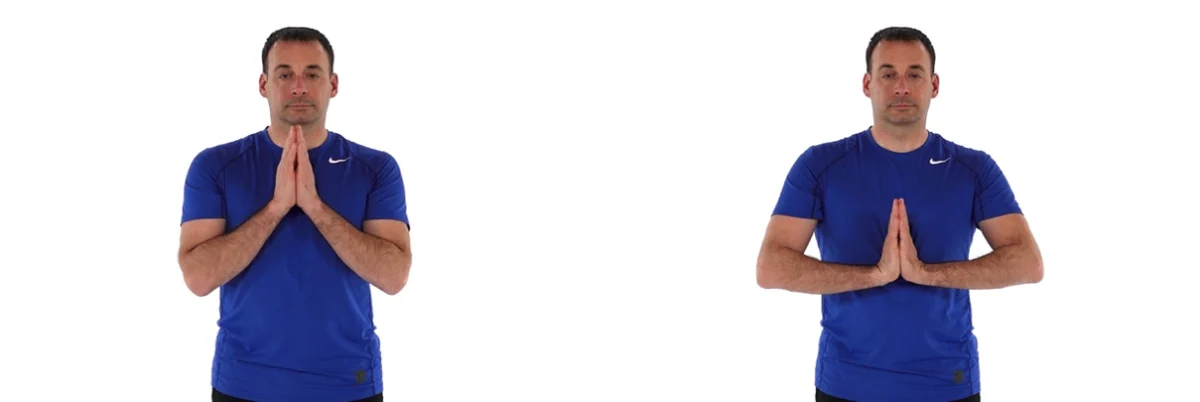
1. Prayer stretch for carpal tunnel relief
If your wrist and forearm feel tight, this stretch may help improve mobility through the wrist and forearm. Move gently and avoid pushing into pain. Bring your arms up so your elbows are about shoulder height.
- Press your palms together at the centre of your chest, fingers pointing upwards.
- Slowly, begin to separate your wrists, keeping your fingers pressed together.
- You should feel a gentle stretch in the bottom of your wrist and forearm.
- As this becomes comfortable, you can lift your elbows a little higher to deepen the stretch, always keeping your fingers connected. Hold this for 30 to 60 seconds, for 2-3 repetitions.
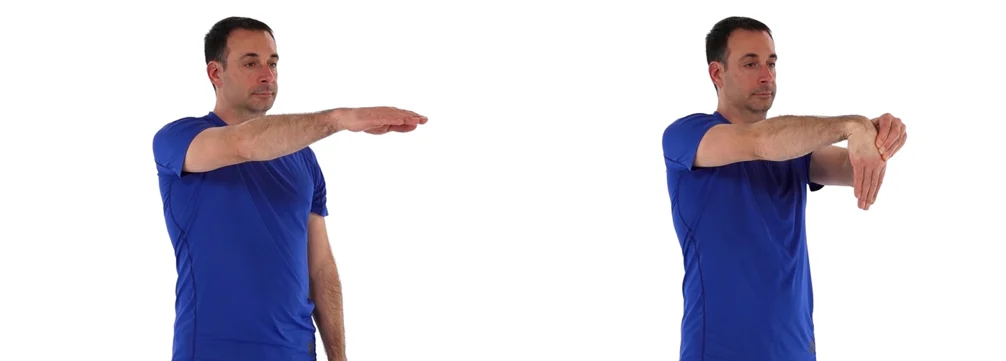
2. Wrist extensor stretch for forearm tension
After repeated hand use, the muscles along the top of the forearm can feel tight. This stretch may help improve forearm flexibility and reduce tension around the wrist.
- Extend your right arm forward, keeping it at shoulder height.
- Gently bend your right wrist downwards, pointing your fingers towards the ground, then turn your hand slightly towards your body.
- Use your left hand to gently hold this position, feeling the stretch along the outside of your forearm and the top of your wrist.
Hold for 30 to 60 seconds, repeating 2-3 times. Then, switch to your left arm and repeat.
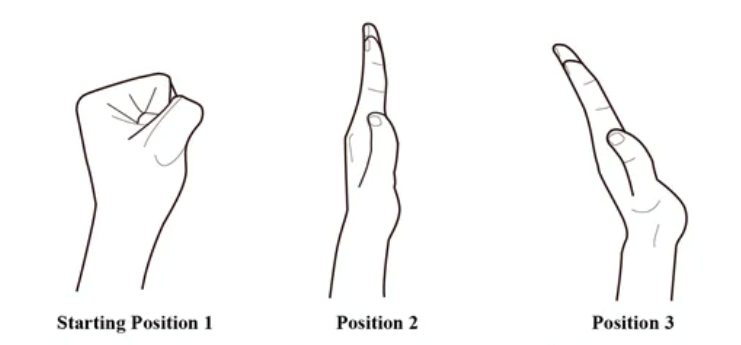
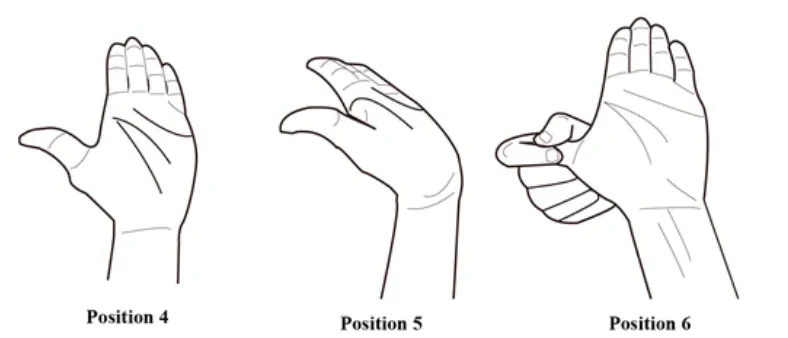
3. Median nerve glides for nerve movement
Median nerve glides are gentle movements used to help the nerve move more freely. They may help some people with mild carpal tunnel syndrome manage numbness or tingling. Move through these positions slowly and gently, and ease back if symptoms increase. Start by making a soft fist, with your thumb resting outside your fingers.
- Open your hand, keeping your fingers straight and your thumb close to your palm.
- Bend your wrist back slightly, as if waving gently.
- Now, move your thumb out away from your hand, forming a wide 'L' shape.
- With your fingers in the same position, turn your palm to face your body.
- If these positions are comfortable, you can gently use your other hand to stretch your thumb further away.
- Hold each position for 3-5 seconds.
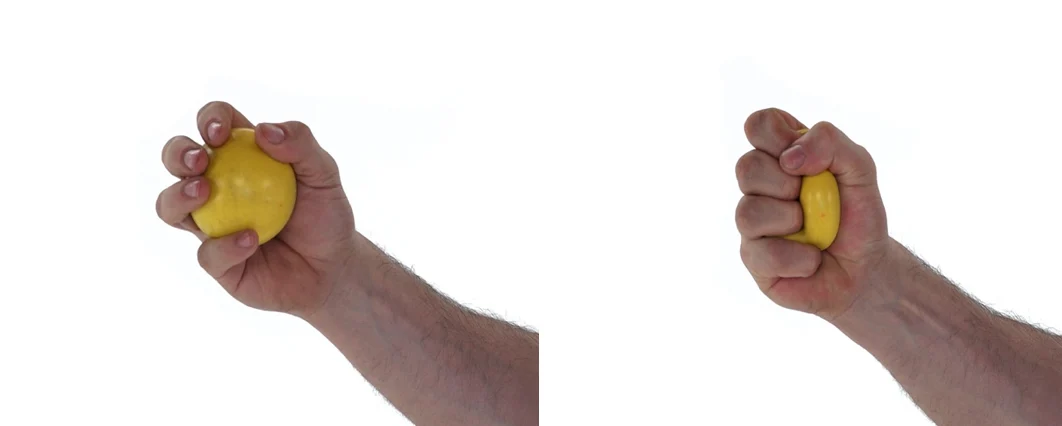
4. Grip strengthening with ball squeezes
Carpal tunnel syndrome can sometimes affect grip strength, making tasks like opening jars or carrying bags feel harder. Gentle ball squeezes may help support hand strength, as long as they do not increase symptoms.
- Using a soft squeeze ball or stress ball, gently make a fist around it and squeeze for five seconds.
- Release and repeat 10 times.
These squeezes should not cause pain. If they do, reduce the pressure you’re applying.
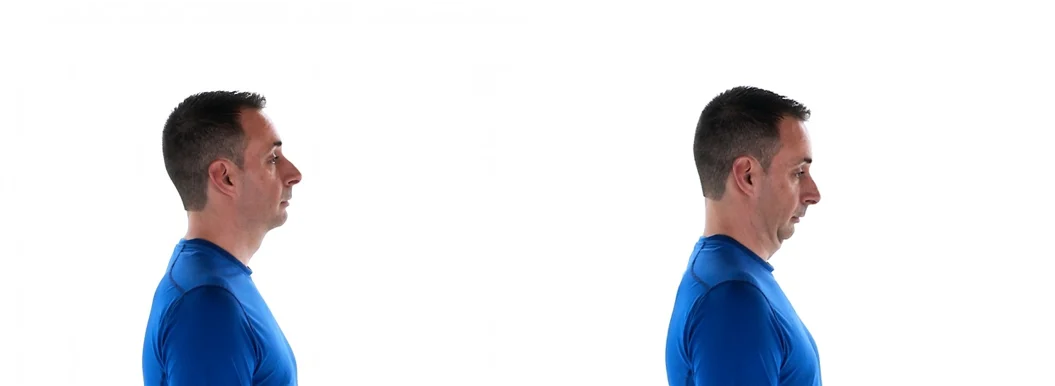
5. Chin tucks for neck and nerve tension
Tension higher up in the neck can sometimes add to discomfort that travels down the arm and into the hand. Chin tucks can help improve neck posture and reduce strain through the neck.
- Whether sitting at your desk or lying down, gently tuck your chin in, as if trying to make a "double chin."
- You should feel a gentle stretch at the back of your neck. Hold for 3-5 seconds and then relax.
- Repeat 10 times. You can place a hand on your collarbone area to ensure you're not tensing those muscles too much.
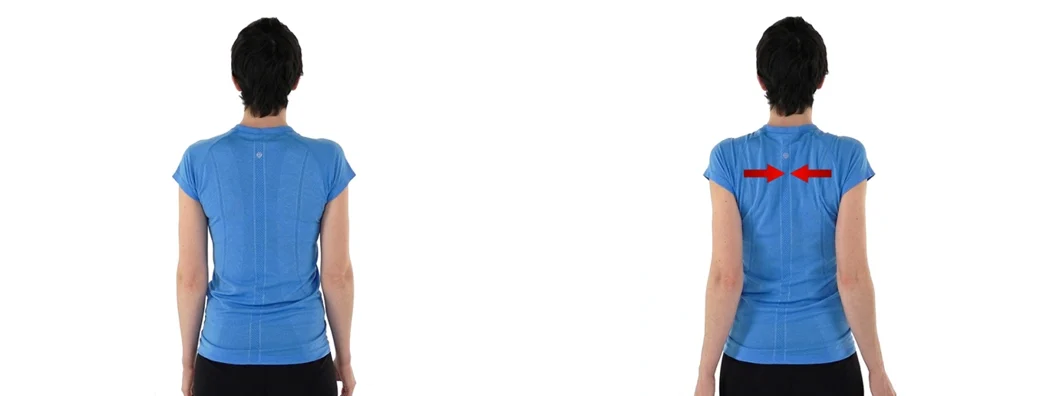
6. Scapular squeezes for posture and upper body support
The way your shoulders sit can also affect tension through the neck, upper back, and arms. Scapular squeezes can help improve posture, support better shoulder alignment, and reduce strain through the upper body.
- You can do this standing or sitting.
- Keep your shoulders relaxed and down, then gently squeeze your shoulder blades together, as if trying to hold a pencil between them.
- Hold for 5 seconds and release. Repeat 10 times.
Additional at-home support
Beyond specific exercises, small changes to daily activities can sometimes help reduce symptoms. Taking a break from movements that make symptoms worse, especially repeated gripping or repetitive hand use, may help reduce strain on your hands and wrists.
When to see a physiotherapist
If you have ongoing numbness, tingling, weakness, or pain that is affecting daily activities, it is a good idea to get assessed. A Lifemark physiotherapist can look at your symptoms, strength, nerve function, and movement patterns to help identify what may be contributing to your discomfort.
Treatment may include splinting, activity changes, manual therapy, ergonomic advice, and a targeted exercise plan. Seeking care early can help you understand your options before symptoms become more persistent.
Key takeaways
- Carpal tunnel syndrome can cause numbness, tingling, pain, or weakness in the hand and fingers.
- Gentle exercises such as wrist stretches and nerve glides may help some people manage mild symptoms.
- Grip exercises and posture work may help support hand and upper body function.
- Taking breaks from activities that worsen symptoms may help reduce strain on the wrist.
- Ongoing or worsening symptoms should be assessed by a physiotherapist or other healthcare professional.
FAQs
What causes the numbness and tingling in my hands?
The numbness and tingling often come from pressure on the median nerve in your wrist, which is common with carpal tunnel syndrome.
What are the first signs of carpal tunnel syndrome?
Early signs often include numbness, tingling, burning, or discomfort in the thumb, index, and middle fingers. Some people notice symptoms more at night or when gripping objects.
Can carpal tunnel syndrome improve without surgery?
Mild carpal tunnel symptoms may improve with activity changes, wrist splinting, and guided exercises. More persistent or worsening symptoms should be assessed by a healthcare professional.
Are these exercises safe for everyone?
These are general stretches. If you have concerns, or if you feel increased pain, numbness, or tingling, it's best to check with a physiotherapist before starting.
How long does it take to feel better?
Relief varies for everyone. Consistent, gentle movement and professional guidance can help manage symptoms over time.
Can my daily activities make my carpal tunnel syndrome worse?
Yes, repetitive hand and wrist movements or prolonged awkward positions can sometimes aggravate symptoms. Identifying and modifying these activities can be helpful.
Need help with hand numbness, tingling, or wrist pain? A Lifemark physiotherapist can assess your symptoms and create a treatment plan that fits your needs.