

Sciatica exercises and movement tips to help ease discomfort
Sciatica can make everyday tasks feel harder to plan. A commute, a walk with the dog, a load of laundry, or a long stretch at a desk may feel manageable at first, then become uncomfortable when pain, tingling, numbness, or burning travels into the leg.
You may start paying attention to small details you did not think about before, like how long you have been sitting, how quickly you stand up, how you bend, or whether a task will trigger symptoms later. Over time, this can make it harder to know how much movement is okay.
With sciatica, small adjustments can make a difference. Gentle exercises, shorter sitting periods, and pacing strategies can help you understand how your body responds and find ways to stay active during daily routines.
What is sciatica?
Sciatica is a term often used to describe pain or nerve-related symptoms that travel along the path of the sciatic nerve. The sciatic nerve runs from the low back through the buttock and down the back of the leg.
When the sciatic nerve or the structures around it become irritated, symptoms may travel into the leg. Sciatica can feel different from person to person. It may be influenced by posture, activity, sitting time, strength, mobility, or other factors.
Sciatica symptoms may include:
- Low back pain
- Buttock or hip pain
- Pain that travels down the leg
- Tingling
- Numbness
- Burning discomfort
- Shooting or electric-like pain
- Symptoms that feel worse with sitting, bending, or certain movements
Leg pain can have different causes. An assessment by a physiotherapist can be helpful if symptoms are new, worsening, or affecting your daily life.
How much should you move with sciatica?
During a sciatica flare-up, your body may need shorter activity periods, more position changes, and gentler movement than usual. Long periods in one position can increase stiffness for some people. Doing more than your body can currently handle can also irritate symptoms later.
A helpful way to approach movement is to start with what feels manageable today. That might mean a shorter walk, a few gentle movements, or breaking a chore into smaller steps. Paying attention to how your symptoms respond can help you decide when to pause, adjust, or continue.
Mild stretching or muscle fatigue may be okay. Stop or adjust the movement if pain becomes sharp, radiating pain worsens, numbness increases, or symptoms travel farther down your leg.
Not all exercises are right for every person. If you are unsure whether these movements are safe for you, speak with a Lifemark physiotherapist before trying them.
Try these 4 sciatica movements and strategies to support daily activity
These movements and strategies are meant to help your body practice gentle, tolerable movement. They can help reduce stiffness, break up long periods in one position, and support daily activities like sitting, walking, bending, and doing chores.
1. Sciatic nerve slider
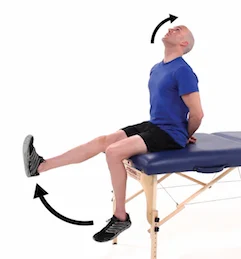
A sciatic nerve slider is a gentle movement that helps the nerve move more comfortably as you move your leg. You should feel a light stretch or tension, not sharp pain.
- Start by sitting in a chair. Relax your body and take a few slow breaths.
- Slowly lift your painful leg until you feel gentle tension.
- As you lift your leg, raise your head and look forward.
- Then lower your leg and gently bring your head back toward the starting position.
Repeat 8-12 times, several times throughout the day, as tolerated. Stop or adjust if the movement increases sharp pain or sends symptoms farther down your leg.
2. Cat-camel
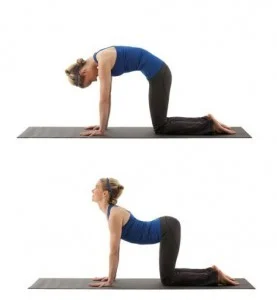
Cat-camel is a gentle spinal mobility exercise that moves your back through a comfortable range. It can be helpful when your back feels stiff or guarded.
- Start on your hands and knees. Relax your body and breathe calmly.
- Slowly round your back upward, letting your head and shoulders soften forward. Hold this position for one to two breaths.
- Then slowly move in the opposite direction, gently lifting your chest and allowing your back to arch. Hold for one to two breaths.
Repeat for 6 repetitions. Each direction counts as half a repetition. Move slowly and stay within a range that feels comfortable.
3. Break up sitting time
Sitting for long periods can increase discomfort for some people with sciatica. If sitting tends to irritate your symptoms, try setting a timer for every 30 minutes. This helps reduce long stretches in one position that may cause stiffness.
When the timer goes off, stand up, walk for a few minutes, stretch gently, or change position. These movement breaks do not need to be complicated. The goal is to interrupt long periods in one position and give your body a chance to reset.
Small breaks throughout the day can help reduce stiffness and make sitting feel less demanding.
4. Pace chores and daily activities
Daily tasks can be common triggers for sciatica symptoms. Laundry, vacuuming, cleaning, bending, and carrying items may feel fine at first, then lead to discomfort later.
Pacing can help you manage these activities in smaller steps. Instead of completing a full task in one push, break it into shorter rounds. Take a short break when you notice your pain increasing, your breathing becoming tense, or your body tightening up.
A five-minute pause for calm breathing, gentle movement, or a position change may help you continue with less irritation. Over time, pacing can help you build endurance for the activities you need and want to do.
Can physiotherapy help sciatica?
Physiotherapy can help you understand how your symptoms respond to movement, posture, strength, mobility, and daily activities. A physiotherapist can assess your movement patterns and help you find exercises that fit your current symptoms and goals.
For some people, sciatica symptoms are affected by long periods of sitting, bending, lifting, or repeated daily tasks. In those cases, an occupational therapist may also help with pacing, ergonomics, activity modifications, and strategies to support function at home or work.
The right plan will depend on your symptoms, your daily routine, and what you want to get back to doing with more ease.
Seek urgent medical attention if you have new loss of bladder or bowel control, numbness in the groin or saddle area, severe or progressive leg weakness, fever, or symptoms after a major fall or injury.
If sciatica symptoms are affecting how you sit, walk, work, sleep, or move through your day, a Lifemark physiotherapist can help assess your symptoms and recommend a care plan that fits your needs.
Key takeaways
- Sciatica refers to pain or nerve-related symptoms that may travel from the low back, buttock, or hip into the leg.
- Gentle movement may help reduce stiffness and support activity tolerance.
- Sciatic nerve sliders, cat-camel, sitting breaks, and pacing strategies may help some people manage symptoms.
- Stop or adjust movements that cause sharp pain, worsen radiating symptoms, increase numbness, or symptoms that travel farther down the leg.
- A physiotherapist or occupational therapist can help create a plan based on your symptoms, goals, and daily activities.
FAQs
What does sciatica feel like?
Sciatica may feel like pain, tingling, numbness, burning, or shooting discomfort that travels from the low back, buttock, or hip into the leg.
What causes sciatica?
Sciatica can happen when the sciatic nerve or the structures around it become irritated. Causes can vary, so an physiotherapy assessment can help identify what may be contributing to your symptoms.
What exercises help sciatica?
Gentle movements such as sciatic nerve sliders, cat-camel, walking, and mobility exercises may help some people. Sitting breaks and pacing strategies may also help make daily activity more manageable. Speak to your physiotherapist for a personalized exercise and rehabilitation plan.
Should I rest or move with sciatica?
Short periods of rest may help during a flare-up. Gentle movement is often encouraged when tolerated because long periods of inactivity may increase stiffness and make it harder to return to daily activities.
Is sitting bad for sciatica?
Sitting is not always bad, but sitting for long periods may irritate symptoms for some people. Changing positions, standing briefly, or taking walking breaks may help.
How do I know if an exercise is making sciatica worse?
An exercise may not be right for you if it causes sharp pain, worsening radiating pain, increasing numbness, or symptoms that travel farther down your leg. Stop or modify the exercise and speak with a physiotherapist if you are unsure.
When should I get help for sciatica?
Consider getting help if symptoms are severe, worsening, not improving, or affecting your daily activities. Seek urgent medical care if you have bladder or bowel changes, numbness in the groin or saddle area, or progressive leg weakness.