
Feeling unsteady? How vestibular rehabilitation can help
It can be a small thing at first. A brief moment of dizziness when you get out of bed. Or maybe the room seems to tilt for a second when you turn your head too quickly. This feeling of being off-balance is often connected to your vestibular system, and specialized vestibular rehabilitation can help you find your footing again.
Note: These general insights are for educational purposes only. The information is not intended to replace the advice of your clinician. If you’re unsure whether specific movements or therapies are right for you, speak with a vestibular therapist or other healthcare professional before trying them.

Understanding dizziness and your inner ear
Your vestibular system, located in your inner ear, acts as your body’s internal balance centre. It works with your brain to help you stay upright, perceive movement, and see clearly when you’re in motion. When it isn’t working as it should, it can affect everything you do.
Many people mention that the feeling isn’t just physical. It can be a constant sense of caution, worried that a sudden movement might, for example, trigger a dizzy spell during a work meeting or while carrying groceries in from the car.
Common symptoms can include:
- Dizziness or vertigo (a spinning sensation)
- General unsteadiness or an increase in falls
- Blurry vision when you’re moving
- Sensitivity to motion
- Nausea
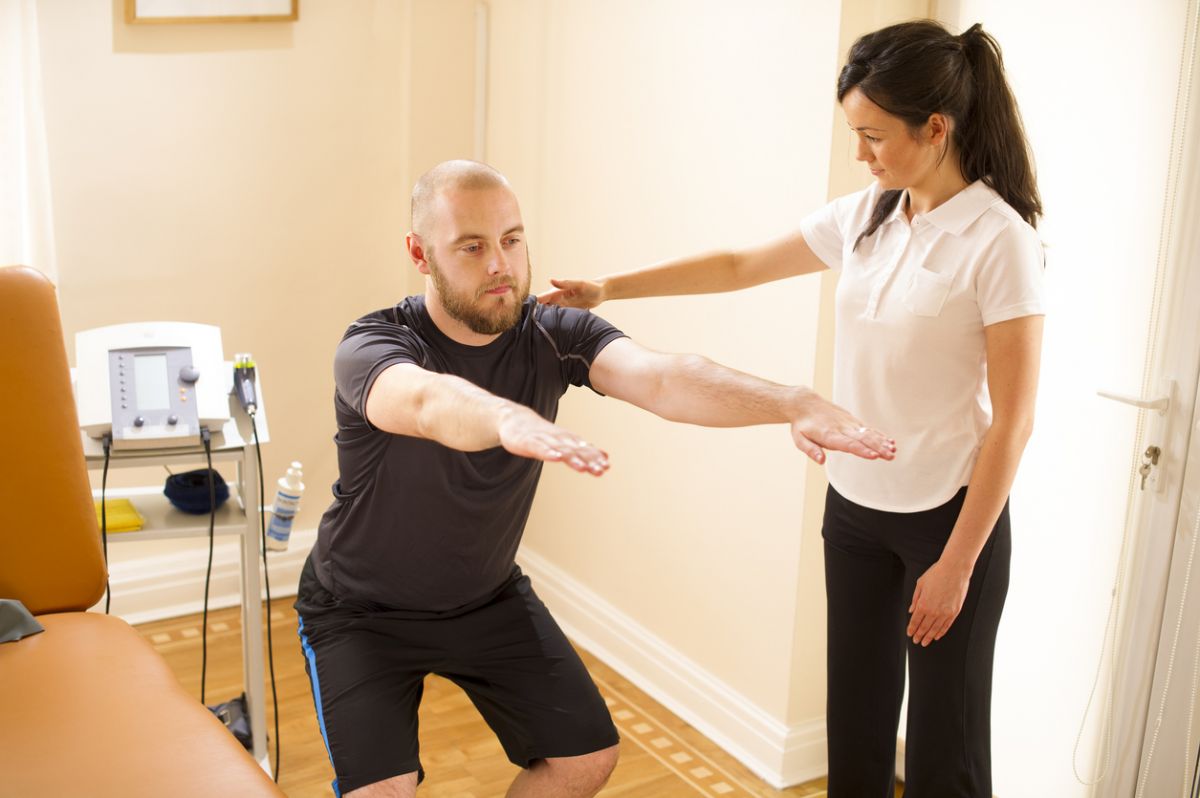
What to expect from your first vestibular rehabilitation session
Your first session is a thorough conversation. A vestibular therapist will listen to your history and what your symptoms feel like in your daily life. The goal is to understand the root cause of the issue.
An assessment often includes:
- Screening for any serious causes of your symptoms
- Evaluating eye movements, sometimes with the help of special infrared video goggles
- Testing your balance while you are still and while you are moving
- Checking for other contributing factors, like neck tension
Based on this, your vestibular therapist will create a personalized plan. Treatment often involves specific head and eye exercises designed to help your brain compensate for the issue. For some conditions, like Benign Paroxysmal Positional Vertigo (BPPV), a vestibular therapist can use specific maneuvers to correct the problem, with results that are often immediate.
When to consider speaking with a vestibular therapist
You don’t have to “wait and see” if dizziness is affecting your quality of life. Many people put off seeking help, thinking it will go away on its own.
Consider booking an assessment with a vestibular therapist if you experience:
- Persistent dizziness that interferes with your work or home life
- A spinning sensation (vertigo) that comes on suddenly
- A feeling of unsteadiness that makes you nervous about falling
- Nausea or blurry vision that is triggered by movement
A trained vestibular therapist can provide a clear path forward, helping you feel more in control.
Key takeaways
- The feeling of being off-balance or dizzy isn’t something you just have to live with.
- Your vestibular system is key to your sense of stability, and it can be retrained.
- A vestibular therapist can help get to the root cause of your symptoms through a thorough assessment.
- Specialized exercises and maneuvers can help your brain and body work together more effectively.
- Feeling steady and confident in your movements is possible with the right support.
FAQs
1. What is the most common cause of vertigo?
Benign Paroxysmal Positional Vertigo (BPPV) is the most common cause of vertigo. It happens when tiny crystals in the inner ear become dislodged and move into the wrong part of the vestibular system.
2. Can vestibular problems cause anxiety?
Yes. Many people describe feeling anxious or avoiding activities for fear of triggering their symptoms. The uncertainty and physical sensations of a vestibular issue can understandably lead to anxiety and stress.
3. How long does vestibular rehabilitation take?
The length of treatment varies for each person. Some conditions like BPPV can often be resolved in just one or two sessions. Other, more complex issues may require several weeks of consistent exercises to help the brain adapt.
4. Can I do vestibular exercises at home?
Yes, a home exercise program is a core part of vestibular rehabilitation. Your vestibular therapist will provide you with a set of specific exercises tailored to your needs to do between appointments.
If ongoing dizziness or balance issues are getting in the way of your life, support is available. Book an appointment online for vestibular rehabilitation at a Lifemark clinic near you to get started with an assessment.