

How to set fitness goals that feel good and last
It’s a familiar story: you set a new fitness goal with great intentions, but a few weeks in, that motivation starts to fade. When progress stalls, it’s easy to blame a lack of willpower, but the real issue is often the plan itself. A goal that lasts is one that’s realistic, clear, and built for your actual life.
Note: These suggestions support general well-being. If you’re unsure whether a new exercise routine is right for you, consider checking with a physiotherapist or kinesiologist before getting started.
Start with a clear, specific plan
A big goal can feel overwhelming. It’s easy to say, “I want to get in shape,” but it’s hard to know where to begin. It can help to think of detailed specifics about your goal in two ways: what do you wish to achieve, and why does it matter to you. Starting with a larger intention for your goal can help you get clear on what steps you need to take to reach your destination. Many people find that breaking a large goal into smaller, more manageable steps makes it feel more achievable.
For example, maybe your real goal is to hike a mountain with your daughter by summer. The path to get there can be broken down into smaller steps:
Step 1: Focus on core and lower body strength. A physiotherapist or kinesiologist can help create a routine that you can build on every few weeks.
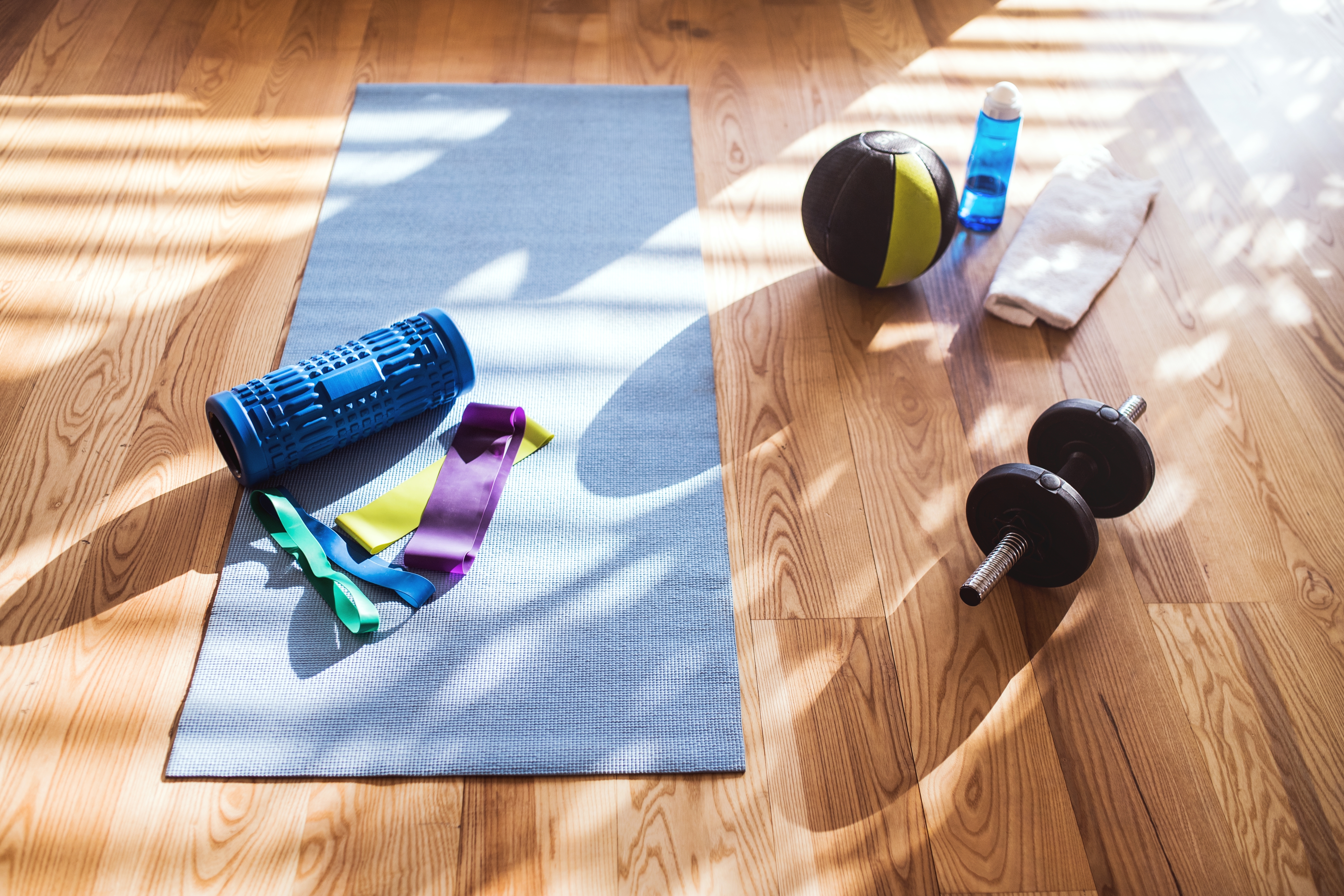
Step 2: Make sure you have the right equipment at home, even if it’s just a yoga mat and some resistance bands.
Step 3: Schedule a half hour to an hour session, 2-3 days a week, in your calendar for movement. Treating it like any other appointment makes it a priority.
Step 4: Plan to hike three easier trails by the time spring arrives to build your endurance and confidence.
Alternatively, your goal might be more focused on building a consistent habit, like this one: “I want to follow a total body exercise routine four times per week at my local gym.”
Here’s how that breaks down into a clear, step-by-step plan:
Step 1: Find the right space. First, tour a few local gyms to find one that feels comfortable and convenient. Consider getting a membership that fits into your lifestyle.
Step 2: Address any barriers. If you have nagging pain, like an old knee injury, consult with a professional like a physiotherapist. They can help you move with more comfort and recommend the exercises right for you and your needs.
Step 3: Start slow and build momentum. Instead of jumping into four days a week, begin with two or three. As you feel stronger, you can progress your exercises and add another day to your routine.
Step 4: Make it a sustainable habit. As you become comfortable with your routine, it becomes a consistent part of your life, helping you maintain your fitness goals.

You don’t have to do it alone
Starting a new fitness routine can feel lonely, especially if you’re managing an old injury or new aches and pains. We often hear people mention that they’re held back by uncertainty. Reaching out for guidance can be an excellent way to stay accountable and feel supported.
A clinician can help you set realistic expectations that fit your life and your body’s needs.
- A physiotherapist can help you work through long-standing injuries or new pains that come up. They can assess your movements and help you exercise more comfortably.
- A kinesiologist can recommend safe and effective exercises to get you started and help you progress your routine over time.
For instance, some individuals describe wanting to be more consistent at the gym but feel held back by knee pain. A physiotherapist can help by assessing your injury and creating a personalized plan to help make your fitness goals feel possible again. For those who want to be more consistent at the gym and don’t know where to start, kinesiologists can support your journey by creating an exercise or stretch program that works with your lifestyle.
Be patient with the ups and downs
Reaching a goal is rarely a straight line. Some weeks you’ll feel full of energy, and in others you might miss a workout because you had to stay late at work.
It’s important to be patient with yourself. Many people have a tendency to feel discouraged by setbacks, but they are a normal part of the process. Progress is a marathon, not a sprint. The goal is consistency over time, not perfection every day.
Key takeaways
- Connect your fitness goal to something meaningful in your life, like an activity you love or want to share with family.
- Break down a big goal into small, concrete steps to make it feel less overwhelming and easier to start.
- Setbacks are a normal part of any journey; being kind to yourself is key to staying on track.
- Professional guidance from a physiotherapist or kinesiologist can provide a safe, effective, and supportive path toward your goal.
FAQs
1. What’s the best way to start a routine if I’m a complete beginner?
Start small and focus on consistency. A simple 15-20 minute walk each day is a great foundation. Choosing an activity you genuinely enjoy will also make it easier to stick with.
2. How do I stay motivated with my fitness goals when I get busy?
Schedule your workouts in your calendar like any other important appointment. Having a backup plan, like a shorter at-home workout for busy days, can also help you stay consistent.
3. Is it normal to feel sore after starting a new exercise routine?
Yes, it’s common to experience some mild muscle soreness, often called Delayed Onset Muscle Soreness (DOMS), when you start a new activity or increase your intensity. This usually subsides within a couple of days.
4. What’s the difference between a physiotherapist and a kinesiologist for fitness?
A physiotherapist is a primary healthcare professional who diagnoses and treats injuries and conditions. A kinesiologist focuses on improving human movement and performance through exercise prescription and coaching. They often work together to support a client’s goals.
If you’d like support in reaching your fitness goals or managing discomfort as you move, you can book an appointment at a Lifemark clinic near you.