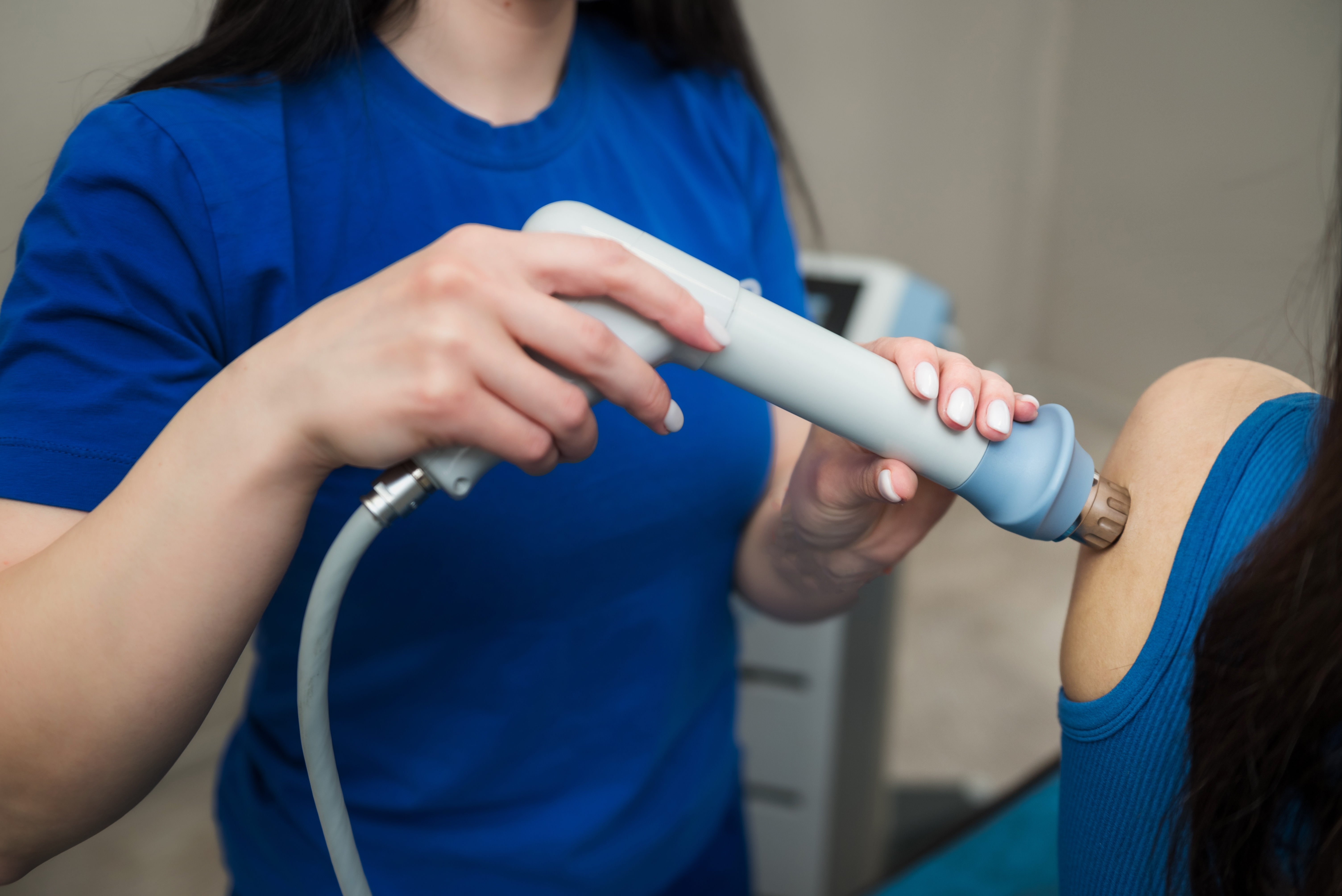
Simple ways to gently relieve lower back pain at home
The workday is finally over, but as you push your chair back, a familiar ache spreads across your lower back. It’s that deep stiffness that makes straightening up feel like a real effort. Finding ways to gently relieve low back pain can feel like the most important task of the evening, helping you shift from discomfort back to your life.
Note: These stretches support general well-being. If you’re unsure whether they’re right for you, consider checking with a physiotherapist or healthcare practitioner before getting started.

4 gentle movements to relieve low back pain
When back pain strikes, our first instinct is often to freeze and avoid all movement. We often hear from people that they’re worried about making things worse. However, gentle, mindful movement is usually one of the most effective ways to ease discomfort and encourage recovery. The key is to listen to your body and stay within a comfortable range.
1.Focus on your breath
Sometimes the simplest actions offer the most relief. Take a moment to lie in a comfortable position on the floor and focus on taking slow, deep breaths. This simple act helps calm your nervous system, release whole-body tension, and can have an immediate soothing effect on your pain.
2.Change positions often
You may have heard the phrase, “your best posture is your next posture,” which means there is no single perfect way to sit or stand for long periods. Staying in one position for too long, whether it’s sitting at a desk or standing in one spot, can increase stiffness and muscle tension. Regularly changing your position—even just standing up to stretch for a minute—helps your body reset before discomfort builds.
3.Cat-camel stretch
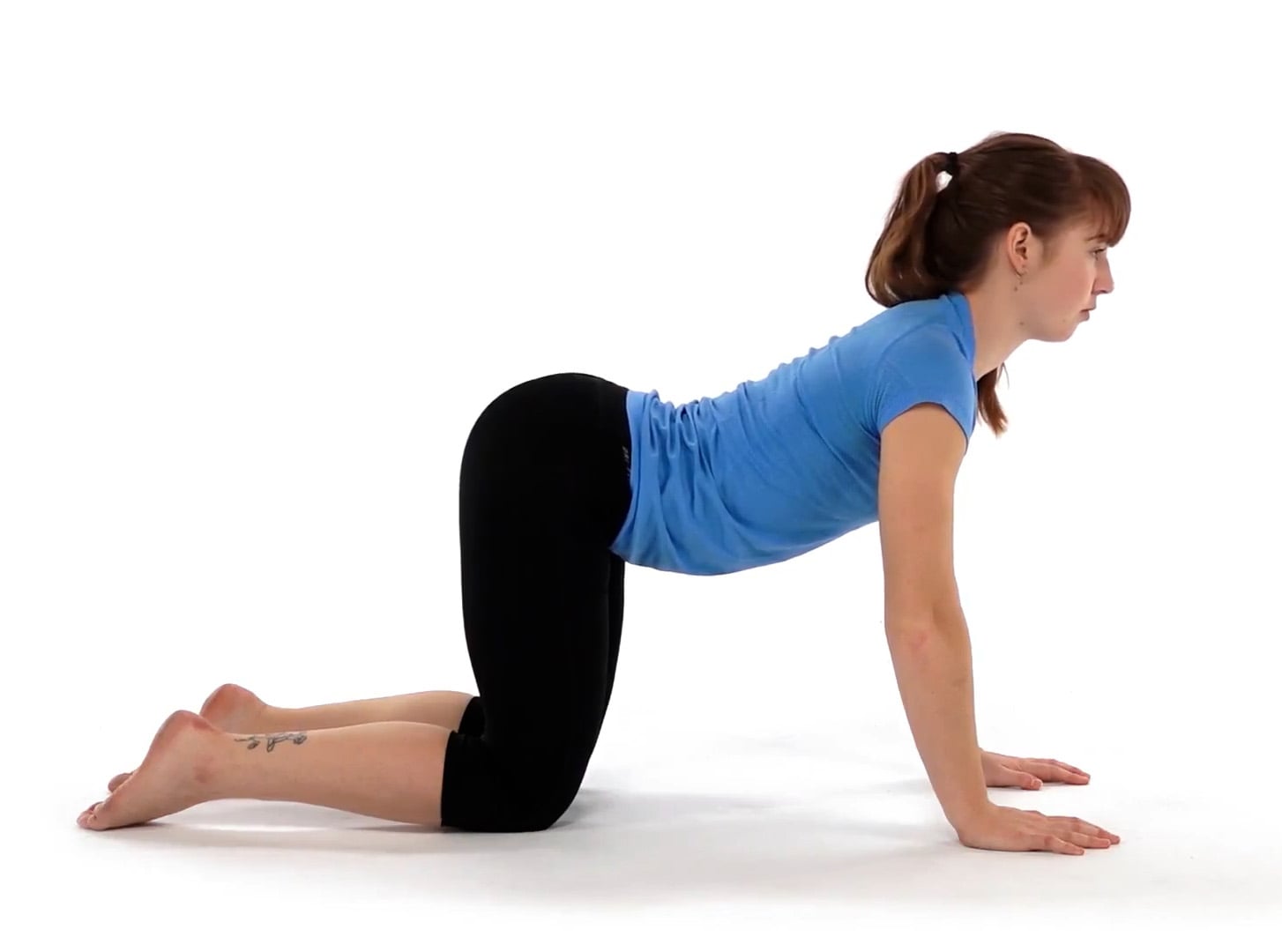
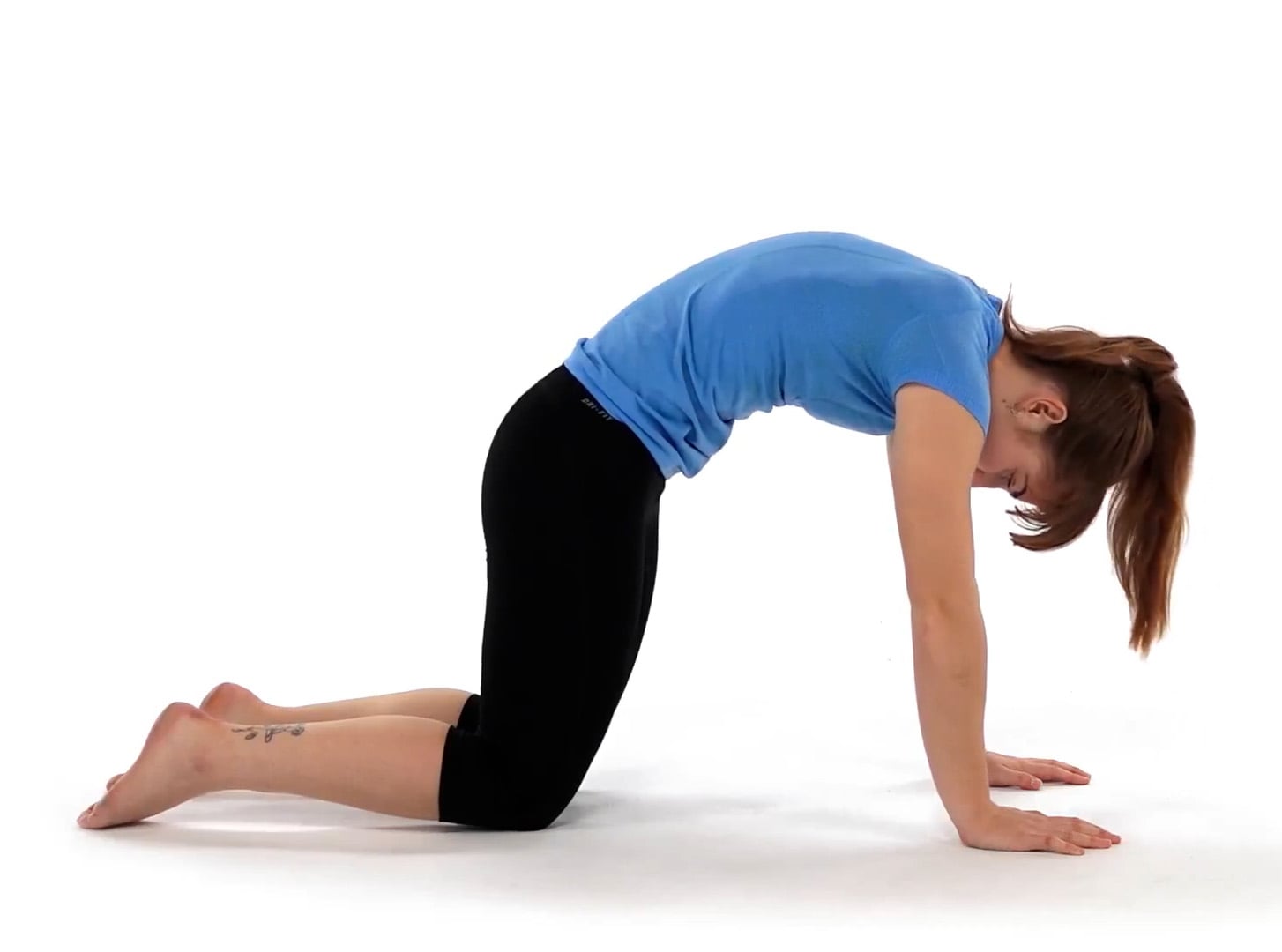
This gentle spinal mobility exercise helps reduce stiffness in the lower and mid-back, especially after long periods of sitting.
- 1. Start on your hands and knees, with your back in a neutral, straight position.
- 2. Slowly round your back up toward the ceiling, tucking your chin toward your chest.
- 3. Gently reverse the movement, lowering your belly, and lifting your head to look forward.
- 4. Alternate between these two positions, moving slowly and connecting the motion to your breath.
Repeat 5-10 times as a daily movement break or warm-up.
4.Supine knee twists
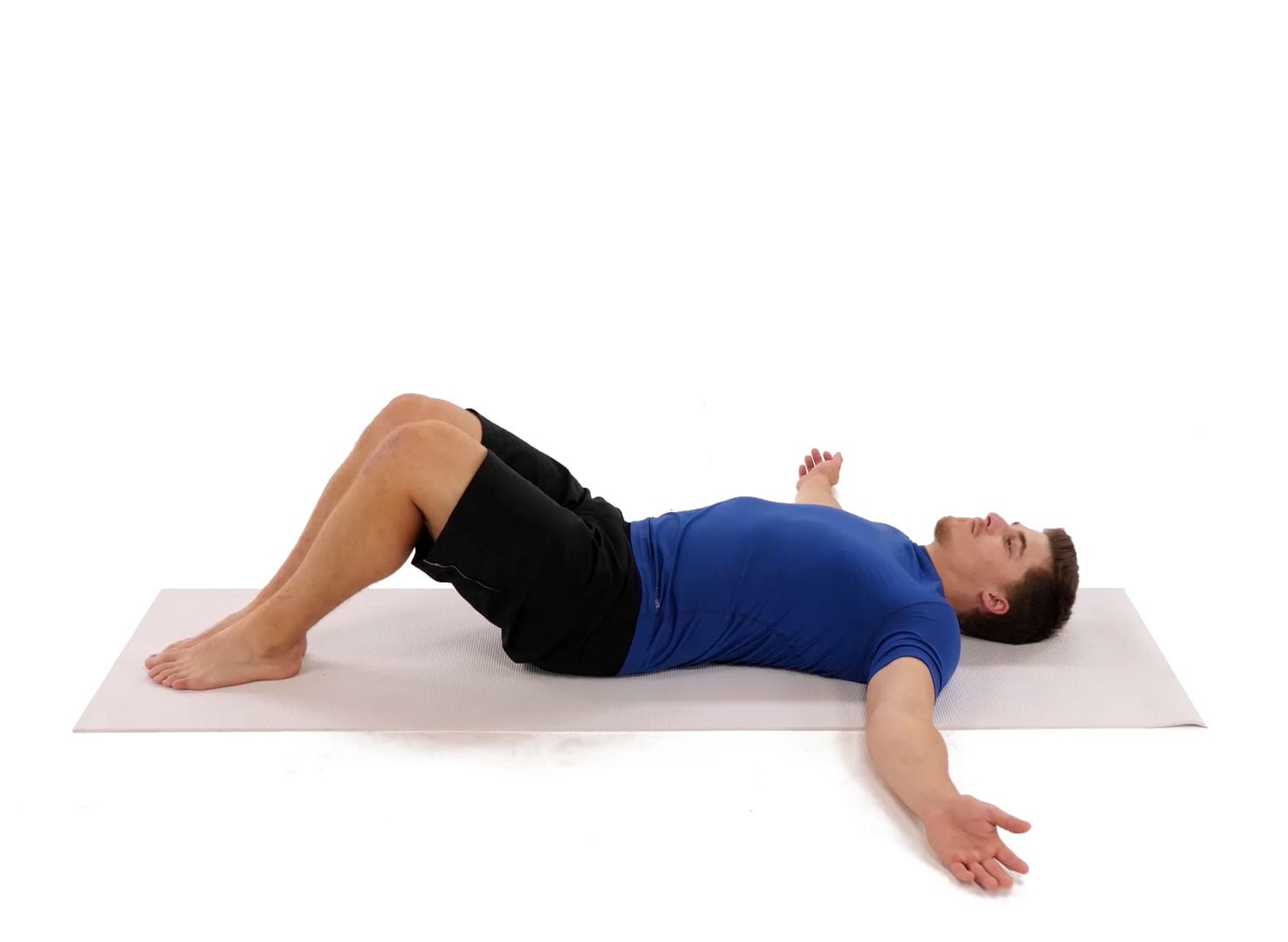
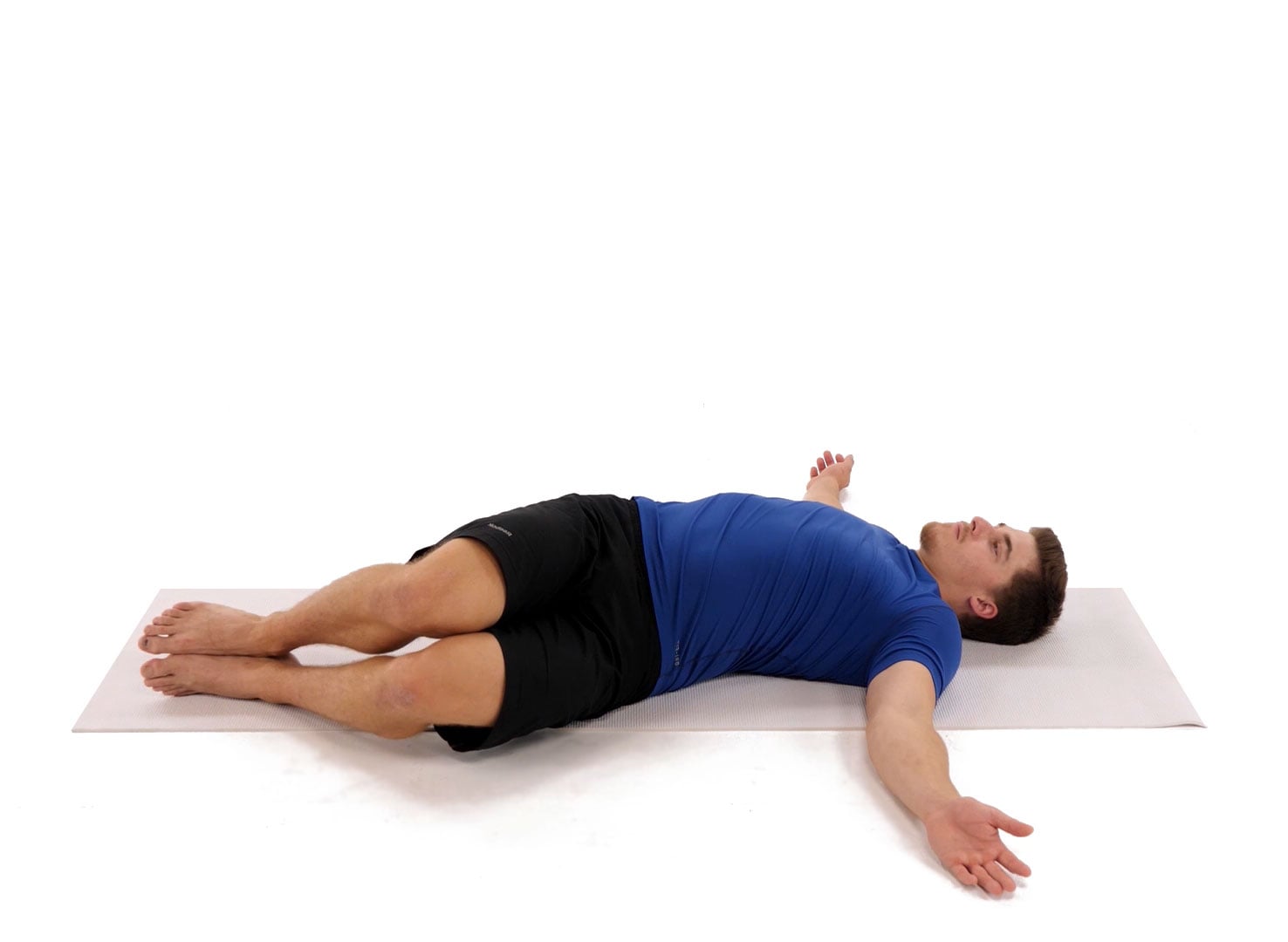
This gentle lower-body stretch helps release tension in the lower back and hips while encouraging relaxed spinal movement.
- 1. Lie on your back with your knees bent and feet flat on the floor.
- 2. Keeping your knees together, slowly lower them to one side, going only as far as feels comfortable. Hold for a breath, then bring your knees back to the centre.
- 3. Repeat on the other side, moving in a slow and controlled way.
Use this stretch to unwind at the end of the day or after prolonged sitting.
When to consider speaking with a clinician
While these gentle movements can provide relief for general stiffness, it’s important to listen to your body. If your pain feels sharp, gets worse, or doesn’t improve after a few days, it might be a good time to seek professional guidance. A physiotherapist can help identify the source of your discomfort and create a personalized plan that works for you.
Key takeaways
- Gentle movement, rather than staying completely still, is often helpful for managing low back discomfort.
- Simple, deep breathing exercises can help calm your nervous system and reduce muscle tension.
- Regularly changing your position throughout the day is a key strategy to prevent stiffness.
- If pain continues or impacts your daily life, seeking advice from a physiotherapist is a supportive next step.
Frequently asked questions
Is it okay to move when my back hurts?
Yes, gentle movement is often beneficial. The goal is to move without pushing into sharp pain. Listen to your body and stick to a comfortable range of motion. If movement makes your pain significantly worse, it’s best to stop and consult a healthcare professional.
Should I use heat or ice for low back pain?
Many people find heat, like a warm pack, helpful for soothing chronic muscle stiffness and soreness. Ice is often used for the first 48 hours after a new injury to help reduce inflammation. For personalized advice, a physiotherapist can provide guidance based on your specific situation.
What is the best sleeping position for low back pain?
Finding a comfortable sleeping position is very personal, but many people find relief by sleeping on their back with a pillow under their knees, or on their side with a pillow between their knees. This can help maintain the natural curve of your spine.
How often should I do these stretches?
For general well-being, incorporating these gentle stretches into your daily routine once or twice a day can be helpful. The most important thing is to be consistent and mindful, stopping if you feel any pain.
If you’re looking for personalized support to help relieve low back pain and get back to your favourite activities, you can book an appointment with a Lifemark physiotherapist near you.