How to reduce your risk of falling: 2 simple tests to try at home
Reaching for a mug on the top shelf, standing up from a low chair, or walking on an icy sidewalk—for older adults, everyday moments like these can carry a higher risk of falling.
It’s natural to respond by slowing down—skipping stairs, avoiding walks, and staying seated more often. But this instinct can backfire. Less movement often means less strength and balance over time, which can increase your risk of falling.
Reducing fall risk for older adults means facing both sides of this problem: physical changes that come with age and the fear that can hold you back from staying active. A vestibular therapist can help identify what’s increasing your risk and build a plan to help you move with more confidence.
See how vestibular therapy can help
Why older adults are at higher risk of falling
Balance, strength, and reaction time can all change as we age. That’s normal, but it also means small trips or missteps may be harder to recover from.
After a fall—or even a close call—it’s natural to slow down. Many people avoid going to the gym, skipping their usual walk, or stop going to group exercise classes. It feels like a safer choice. But less movement often means less strength and less confidence over time, and that can actually raise fall risk, not lower it.
Warning signs that someone is at risk of falling
You don’t need a fall to happen before taking action. Some signs show up earlier, like:
- Feeling unsteady when standing up from a chair
- Holding onto furniture more than you used to
- Avoiding stairs, uneven ground, or crowded spaces
- Feeling dizzy or lightheaded when changing positions
- Noticing your legs tire quickly during everyday movement
2 tests to assess someone’s risk of falling
These tests are simple, quick, and something you can try today.
Test 1: The single-leg stand
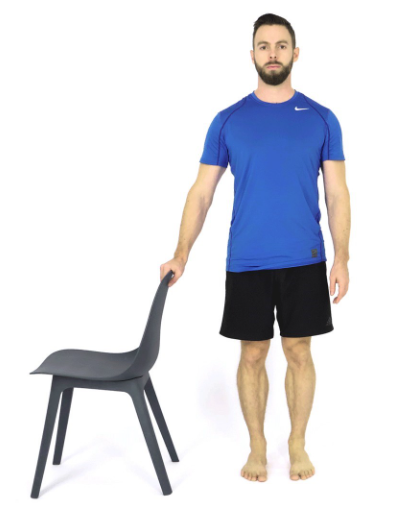 | 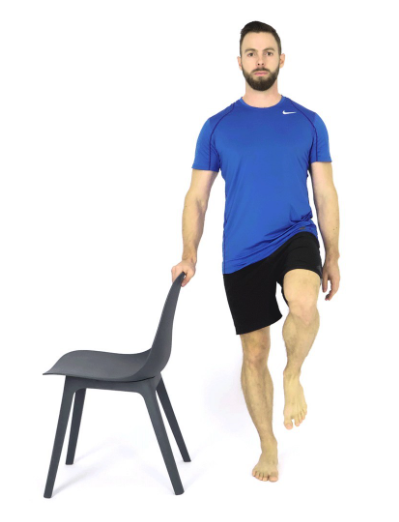 |
- Stand beside a counter you can touch for safety if needed.
- See if you can stand on one foot without touching the counter for 6.5 seconds or longer.
If you can’t, you may be at an increased risk of falls and may benefit from support from a vestibular therapist to help reduce this risk.
Test 2: The 5-times sit-to-stand
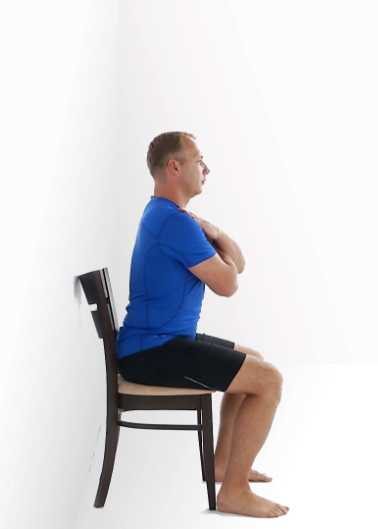 | 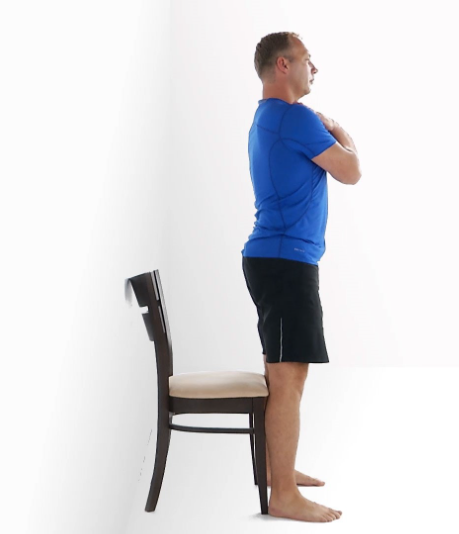 |
- Sit in a firm, standard chair with arms. Keep your back against the chair and your arms folded across your chest.
- Time how long it takes to stand up fully and sit back down 5 times, as quickly as you safely can. You don’t need to touch the back of the chair each time you sit.
- Stop timing once you’re seated after your fifth stand-up.
Did it take 12 seconds or longer? If so, you may be at an increased risk of falls and may benefit from working with a vestibular therapist on your balance, strength, and mobility.
A note on safety: if you’re unsteady or use an assistive device, only try these tests with someone nearby to support you.
These tests can also become exercises. When safe for you, practicing them regularly may help improve the very things they measure: balance and strength.
Try holding your single-leg balance a little longer each time. Try increasing your sit-to-stand repetitions as your strength builds.
How a vestibular therapist can help reduce risk of falling
If either test showed some risk, you’re not starting from zero. You’re starting with information, and that’s a good thing.
A vestibular therapist is trained to look at balance, dizziness, and unsteadiness as connected pieces. They can help build a plan that’s designed to support your strength, steadiness, and confidence at your own pace.
This kind of support can also help with dizziness or a sense of unsteadiness that doesn’t seem to have an obvious cause—something many people experience but rarely mention to their care team.
Staying safe outdoors matters too
Don’t let fear of falling keep you from the physical and mental benefits of walking outside. Instead:
- Wear proper outdoor footwear—look for supportive walking shoes with good traction
- Choose walking areas that are flat and clear of debris
- Stick to well-lit areas, and consider motion-sensor or “dusk to dawn” lighting around your home so obstacles are easy to see
Key takeaways
- Balance and strength naturally shift with age, but that doesn’t mean falls are inevitable
- Fear of falling can lead to less activity, which may raise your risk instead of lowering it
- Two at-home tests, the single-leg stand and the sit-to-stand, can offer a quick snapshot of your risk
- These same tests can double as exercises to build strength over time
- A vestibular therapist can help turn your results into a personalized, supportive plan
FAQs
How do I know if I’m at risk of falling?
Watch for signs like unsteadiness when standing, holding onto furniture more often, or dizziness with position changes. Try the two at-home tests above or see a vestibular therapist to get assessed.
What is a good balance test for seniors?
The single-leg stand is a simple option. Try to balance on one foot near a counter for 6.5 seconds or longer without touching it.
Can exercise reduce the risk of falling in older adults?
Many people find that regular balance and strength exercises help support steadiness. A vestibular therapist can guide an approach suited to your needs.
Is it normal to feel dizzy when standing up quickly?
Dizziness with position changes is worth mentioning to a healthcare provider or vestibular therapist, as it may relate to your balance and fall risk.
What should I do if I fail one of the fall risk tests?
Consider it useful information, not a diagnosis. It may be a good time to speak with a vestibular therapist about building strength and balance.
Are these fall prevention tips safe for someone using a cane or walker?
Yes, but only try the tests with someone nearby for safety and speak with your vestibular therapist about what’s right for you.