
Physiotherapy resources

Heel pain can be most noticeable in the moments when your foot has to start working again: the first few steps out of bed, standing up after sitting, or moving after a period of rest.
Latest resources




More on Physiotherapy

If you’re over 50 and experiencing knee pain, self-management strategies, which are usually personalized according to your needs and involve following a plan developed by a healthcare professional, can be tremendously beneficial.

*This article was originally published by Neurologic Physiotherapy, which is part of the Lifemark family.
Read more
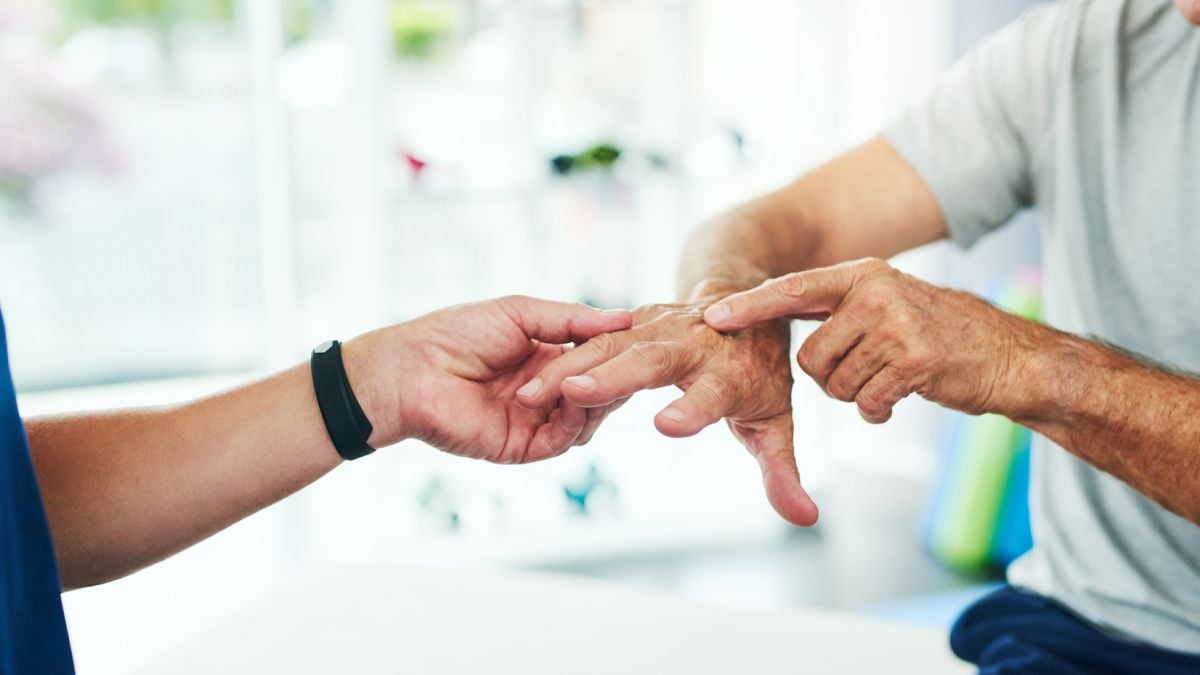
Osteoporosis is a condition that causes bones to become thin and porous, decreasing bone strength and increasing the risk of breaking bones.

Pain is something all humans experience at some point. For some people, the pain makes sense: they know where it comes from as well as when and why it started. There is no confusion.
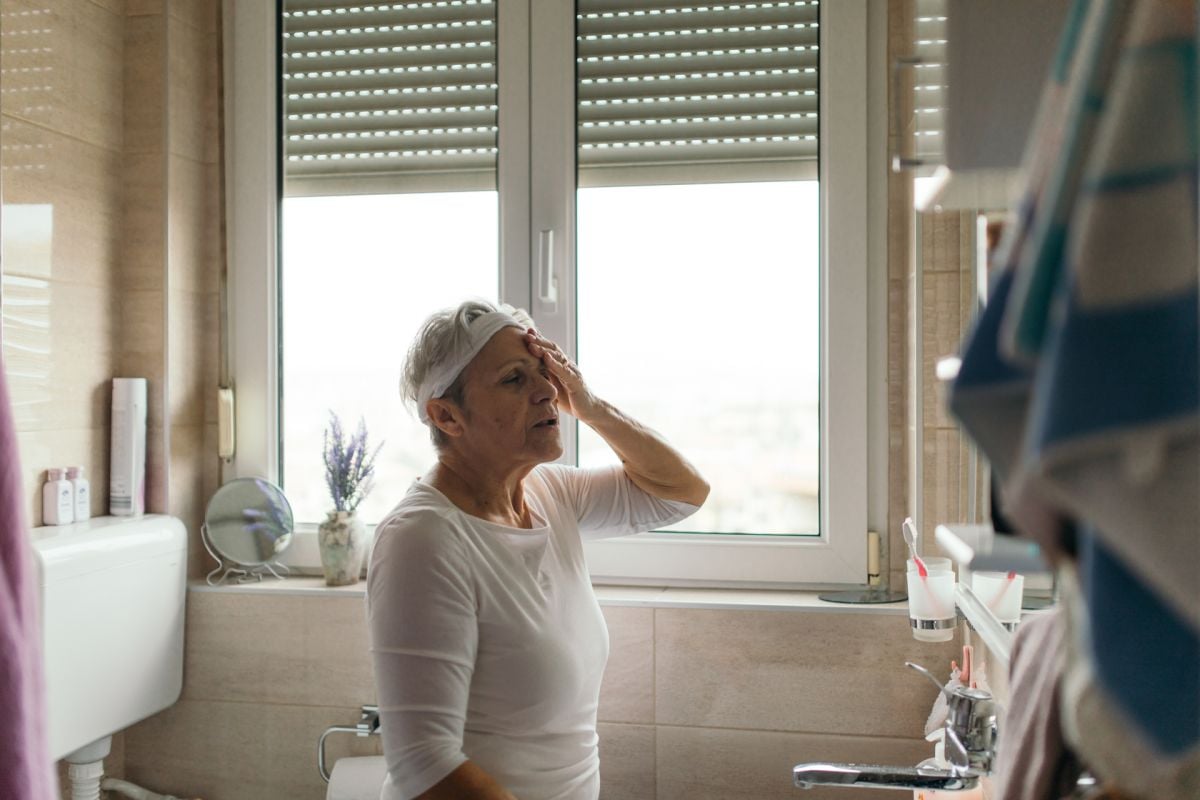
As a Vestibular Physiotherapist, I often treat people with Benign Paroxysmal Positional Vertigo, or BPPV. While this condition is normally straightforward to identify and can be corrected in typically 1 to 3 treatments, not everyone fully re
Read more
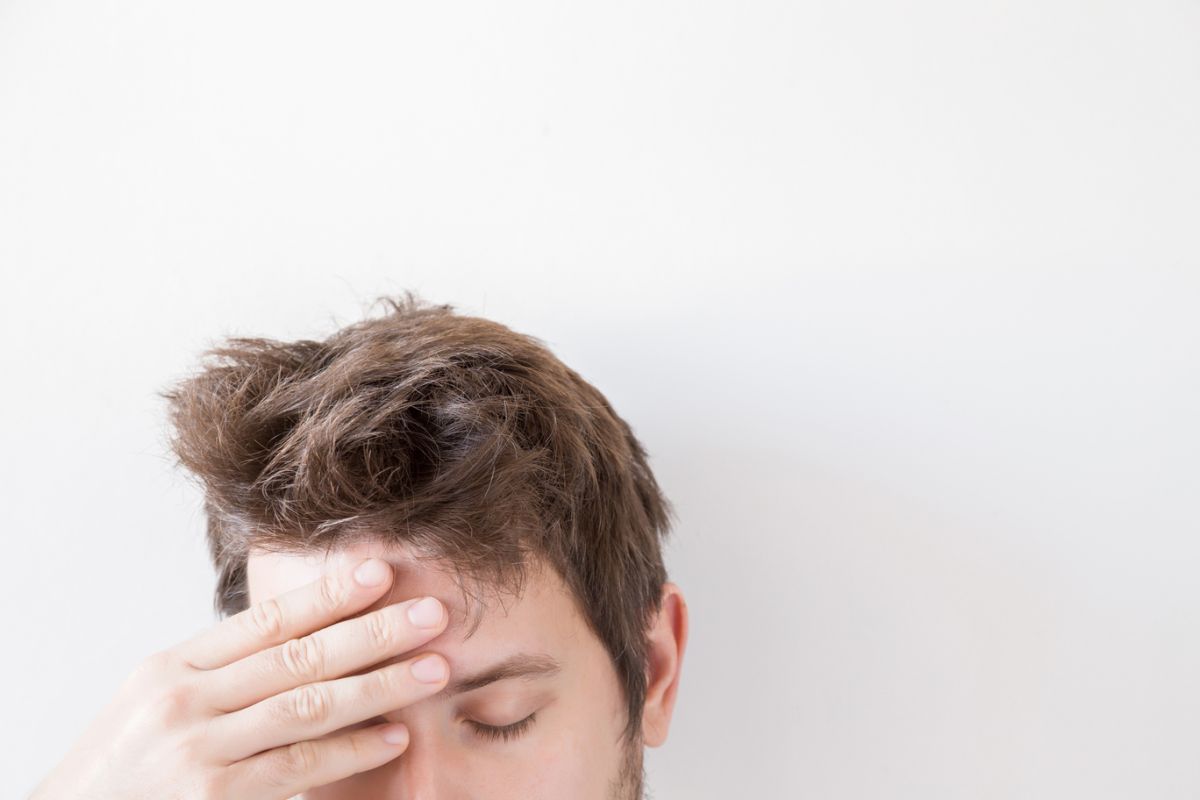
Vertigo is the illusion of motion taking place that isn’t actually occurring, commonly experienced as a sensation of spinning, swaying or tilting.

*This article was originally published by Neurologic Physiotherapy, which is part of the Lifemark family.
Read more

*This article was originally published by Neurologic Physiotherapy, which is part of the Lifemark family.