
3 exercises to reduce shin pain

What are shin splints?
Have you ever experienced shin pain? Commonly referred to as shin splints, this pain can range from a dull ache to a sharp, razor-like sensation in the shinbone (tiba). The pain often gets worse with exercise and subsides after rest. When left untreated, it can become more persistent and may even occur at rest.
Shin pain is often called medial tibial stress syndrome, which is when the muscles on the inside of the shin that attach to the lower leg bone start to get overloaded. With activity or exercise, they start to pull and irritate the attachment of the muscle and tendon to the bone, creating pain.
Note: The shin pain exercises and/or stretches in this article are not intended to replace the advice of your physiotherapist. Starting a new exercise, stretch, movement, or activity may result in some expected stiffness and soreness. If you are unsure, please speak to your physiotherapist before attempting any of the suggestions below.
Who gets shin splints?
Shin pain is not just a runner’s injury. It can affect anyone who enjoys walking or other physical, high-impact activities. Whether it’s from overuse, wearing improper footwear, or muscle imbalances, shin splints can make even the simplest movements feel difficult.
See how these 3 exercises target the area by building strength, releasing tension, and stretching the muscles of and around your shin to help you move with ease. Let’s dive in!
3 moves to reduce shin pain:
1. Toe Raises (Seated or Standing)
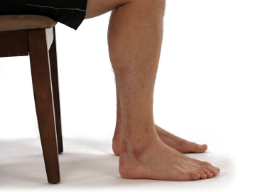
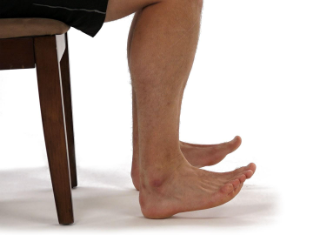
How it helps: Strengthens the muscles at the front of the shin.
How to do it:
- Sit up in a chair with your feet flat on the ground.
- Lift your toes up toward your knees, keeping your heels on the ground, and then slowly lower your toes back to the ground.
- Repeat 5 times.
Progress to standing toe raises. You should feel this in the muscles in front of your shin.
Optional: If you need an extra challenge, consider adding weight on your toes.
2. Massage stick for muscle release
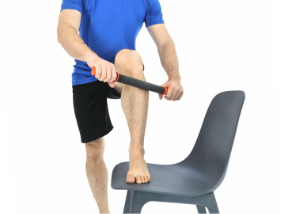
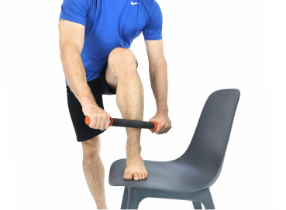
How it helps: The massage stick helps to release tension and trigger points (sore points of tension) and can be used before or after exercise.
How to do it:
- Try to keep the muscle in a relaxed position.
- Roll gently up and down for about one minute per side.
- If you find a sore spot, stay on that area for a few more seconds until the muscle is less tense.
Tip: Maintain gentle pressure as excessive use can cause muscle soreness.
3. Seated shin stretch
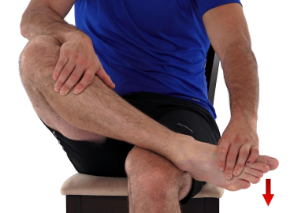
How it helps: Stretches the front of the lower leg to relieve tightness.
How to do it:
- Sit on a chair and cross your injured foot over the opposite knee.
- With your hand, gently bend the foot down and turn it outwards (toward the little toe) until you feel a stretch at the top of the foot.
- Hold this position and relax for 30 seconds
To see these exercises in action, check out the video below!
How physiotherapy can help with shin splints
Shin splints can often improve with the right treatment plan. A physiotherapist can assess what may be contributing to your shin pain, such as changes in training load, muscle weakness, movement patterns, footwear, or mobility limitations.
Your treatment plan may include hands-on manual therapy to help reduce muscle tension, targeted strengthening and flexibility exercises, gait or movement analysis, and guidance on how to return to activity safely.
By addressing the factors contributing to your shin pain, physiotherapy can help support recovery, improve lower-leg strength and mobility, and reduce the risk of symptoms returning.
Key takeaways
Shin splints, also called medial tibial stress syndrome, are often linked to repeated stress on the muscles and tissues around the shinbone.
Shin pain can affect runners, walkers, and people who take part in high-impact activities.
Exercises such as toe raises, massage stick release, and seated shin stretches may help reduce tightness, improve strength, and support recovery.
Strengthening, stretching, and gradual changes to activity can help manage symptoms and lower the risk of shin pain returning.
If your shin pain persists, worsens, or affects your daily activities, a physiotherapist can assess what may be contributing to it and build a personalized recovery plan.
FAQs
How long does it take for shin splints to heal?
Shin splints often improve within a few weeks with rest, activity changes, and targeted exercises. More persistent shin pain may take longer, especially if activity that triggered it continues without modification. A physiotherapist can help guide your recovery and return to activity.
Should I stop exercising if I have shin splints?
Not always. You may need to reduce or pause high-impact activities, such as running or jumping, until your pain improves. Lower-impact activities, such as swimming, cycling, or gentle strength exercises, may be better tolerated while you recover. A physiotherapist can advise on what is appropriate for your symptoms.
Can shin splints turn into a stress fracture?
In some cases, ongoing shin pain can be part of a stress-injury pattern. If symptoms are ignored and high-impact training continues, the risk of a stress fracture may increase. This is why it’s important to modify activity and seek assessment if pain persists, worsens, or becomes more focused in one area.
What causes shin splints?
Shin splints are often caused by repeated stress on the lower leg. Common contributing factors include a sudden increase in training volume or intensity, running or jumping on hard surfaces, wearing worn-out or unsupportive footwear, weak hip or calf muscles, mobility limitations, or changes in running or walking mechanics.
When should I see a physiotherapist for shin pain?
Consider seeing a physiotherapist if your shin pain is not improving with rest, is occurring at rest, keeps returning when you resume activity, affects walking or exercise, or is getting worse. They can provide a full assessment to determine the best course of treatment to help you recover and prevent re-injury.