Why do my knees click? Causes, when it's normal, and exercises that help
Whether you're pushing your limits in sports or spending hours seated at a desk, your knees are fundamental to every move you make. Do you ever notice your knees clicking after a long run, or experience knee pain when bending after a day of sitting? In many cases, knee clicking and popping are normal and painless. But if the sounds are paired with swelling, stiffness, locking, or instability, they may signal an underlying issue. Proactively caring for these vital joints is key to long-term comfort and mobility.
We spoke to Lifemark chiropractor Dr. Omar Pervez about whether the noises joints make are normal, and how movement and exercise can help reduce discomfort and strengthen the knees – no matter your lifestyle.
Learn more about chiropractic care
Understanding your noisy knees: when not to worry
Knee clicking and popping are common, and most causes are harmless. If your knees make sounds without any accompanying pain, swelling, or instability, they are usually just doing their job. Often, these noises are caused by gas bubbles forming and collapsing within the fluid inside the joint, a harmless process known as crepitus, much like the sound of opening a soda can.
Another frequent cause of painless knee popping is tendons or ligaments briefly moving over bone as your knee bends and straightens. If these movements are painless, there's typically no cause for concern. Dr. Pervez emphasizes that “"motion is the lotion”" for your joints. Regular, gentle movement helps circulate synovial fluid, which lubricates your knee and provides vital nutrients.
Simple habits for healthy knees and joint support
Taking proactive steps in your daily life can make a significant difference in maintaining overall knee health and reducing unnecessary joint strain. These habits support your body’s natural mechanics and may help minimize clicking associated with stiffness, pain, or weakness.
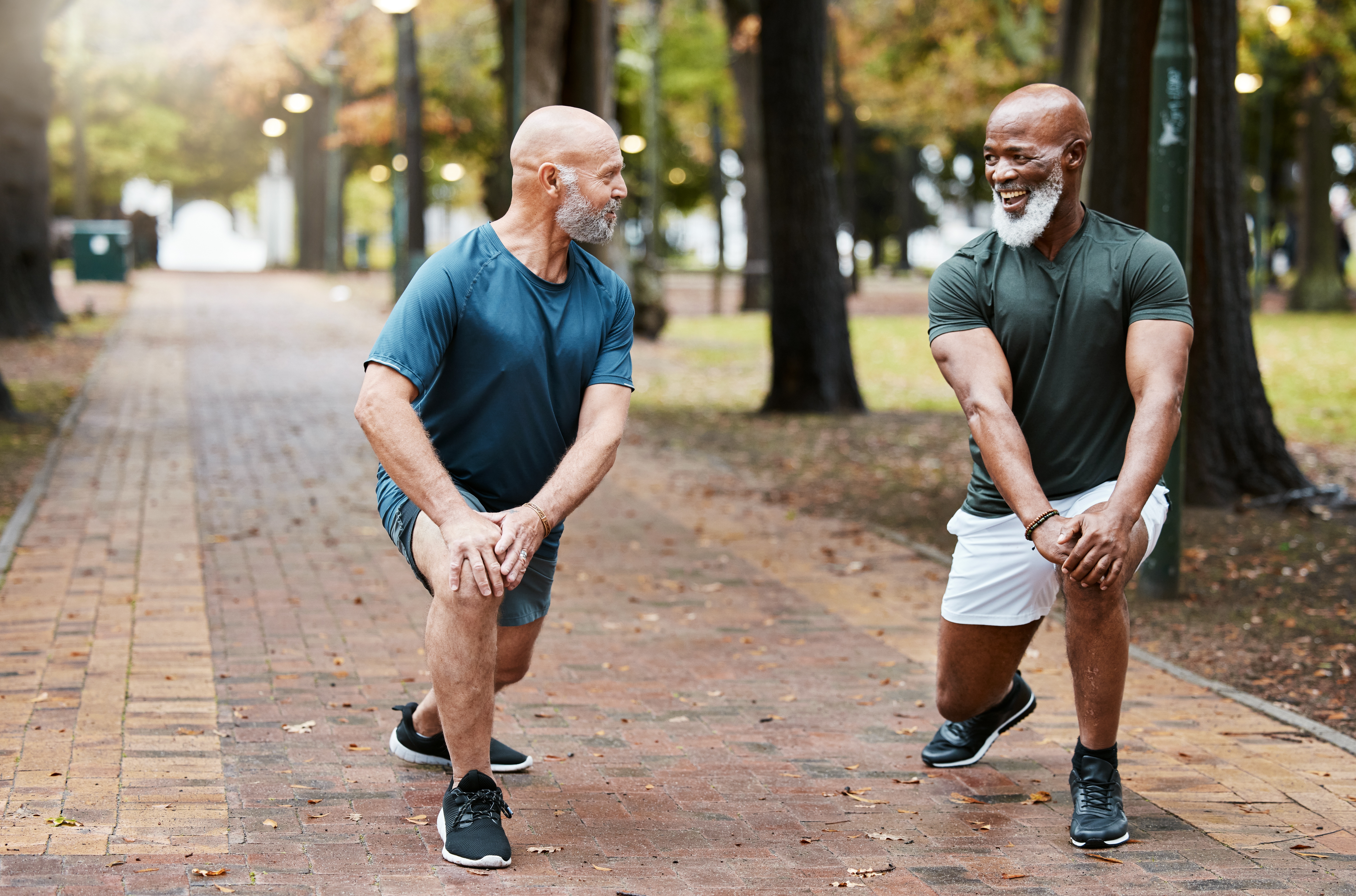
Stay active. Regular, gentle movement is key. Activities like walking, swimming, or cycling encourage joint fluid circulation, keeping your knees well-lubricated and flexible.
Maintain a healthy weight. Carrying extra weight places additional stress on your knee joints, increasing wear and tear over time. Managing your weight supports long-term joint health.
Stay hydrated. Proper hydration is important for supporting tissue elasticity and cartilage health.
Wear supportive footwear. Good shoes promote proper alignment through your feet, ankles, and knees, reducing strain on the joint and supporting your natural gait.
Listen to your body. If an activity causes pain, modify it or take a break. While movement is good, pushing through pain can lead to further injury.
Targeted exercises for stronger knees
When addressing knee clicking or knee pain when bending, strengthening the muscles that support your knees is essential. Dr. Pervez highlights issues in the “kinetic chain”— how your ankles, hips, and spine interact — often impact knee health. Strengthening key muscle groups can improve stability and reduce stress on the knee joint.
Dr. Pervez recommends the following exercises to build strength and flexibility:
1. Glute bridges

- Lie on your back with your knees bent and feet flat on the floor, hip-width apart.
- Engage your core by pulling your belly button inwards towards your spine.
- Push down into your heels while lifting your hips up and squeezing your glutes
- Hold for 5 seconds.
- Slowly return to the initial position and repeat.
Glute bridges strengthen your gluteal muscles, which support hip and knee stability and may reduce knee clicking, especially during activities like climbing stairs.
2.Calf raises

- Stand with feet hip-width apart, holding a chair or wall for balance if needed. Slowly rise onto your toes without bending your knees.
- Pause briefly at the top.
- Lower back down with control.
- Perform 10-15 repetitions for 2-3 sets.
Calf raises strengthen your calf muscles, improving ankle stability which, in turn, supports knee mechanics.
3. Wall sits

- Stand with your back against a wall and feet shoulder-width apart.
- Slide down until your knees are bent to about 90 degrees, as if sitting in a chair.
- Keep your knees aligned over your ankles.
- Optional: place a small ball or a foam roller between the thighs and squeeze
- Hold for 15-30 seconds.
- Repeat 2-3 times.
Wall sits build endurance in your quadriceps without excessive joint loading and may help with discomfort or popping around the kneecap.
4. Half-kneeling hip flexor stretch

- Kneel on one knee with the opposite foot flat in front, forming a 90-degree angle.
- Gently tuck your pelvis under to avoid arching your lower back.
- Shift your weight forward until you feel a stretch in the front of your hip.
- Keep your torso upright.
- Hold for 20-30 seconds.
- Repeat on both sides 2-3 times.
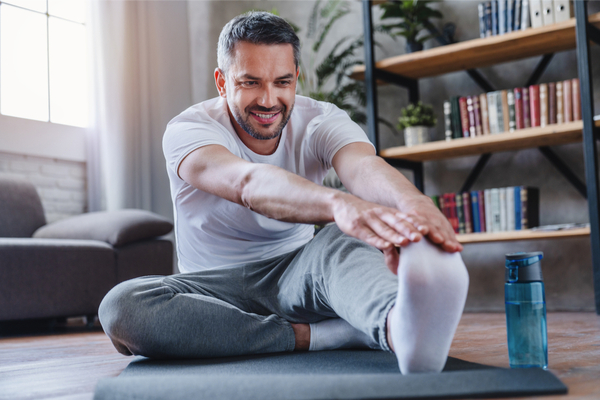
A half-kneeling hip flexor stretch is excellent for office workers, improving hip flexibility that can influence knee function.
5. Pigeon pose

- Start on all fours.
- Bring one knee forward toward your hands while extending the opposite leg behind you.
- Keep your hips and shoulders facing forward, and your spine straight and tall.
- Hold for 20-30 seconds.
- Repeat on the opposite side.
Pigeon pose stretches can help address tightness in the IT band (iliotibial band), a common contributor to knee sounds and discomfort.
Remember, if movement helps reduce the noises and feels good, keep going! However, avoid or work with your chiropractor to modify activities that consistently cause pain.
When to seek expert help: addressing persistent knee pain
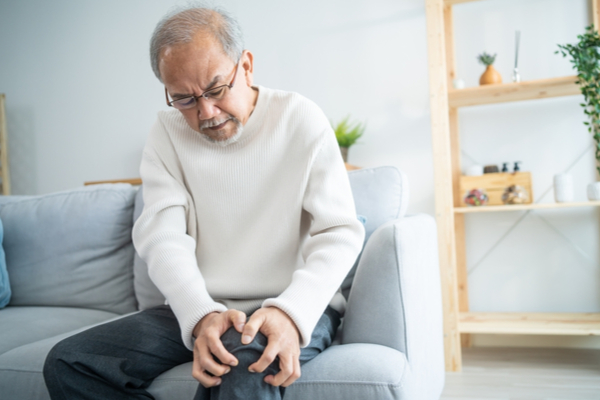
While many knee sounds are harmless, it’s important to know when to seek care. In some cases, knee clicking with swelling and pain may be linked to an underlying condition such as osteoarthritis (inflammation in the joint). If your knee clicks are accompanied by persistent or worsening pain, locking, instability, or difficulty bearing weight, professional assessment is recommended.
A Lifemark chiropractor can perform a comprehensive assessment of your knee and the surrounding muscle groups. Looking at the bigger picture helps identify imbalances in the hips, ankles, glutes, and spine helps identify imbalances within the kinetic chain that may contribute to knee discomfort. Addressing the root cause of your discomfort helps you find support for your long-term joint health.
If knee pain is limiting your movement or daily activities, a personalized assessment can help guide safe and effective treatment.
Book an appointment with a Lifemark chiropractor near you.
Key takeaways:
- Most knee clicking and popping are normal and harmless, often caused by gas bubbles or tendons moving over bone.
- Regular movement, proper hydration, and supportive footwear help maintain healthy joint function.
- Strengthening exercises like glute bridges, wall sits, and calf raises improve knee stability and reduce strain.
- If knee clicking paired with swelling, locking, instability, or persistent pain should be assessed by a healthcare professional.
- A comprehensive assessment by a chiropractor can identify muscle imbalances within the kinetic chain that contribute to knee discomfort.
FAQs:
Are knee clicks bad if they don’t hurt?
Knee clicking without pain, swelling, or instability is usually normal and harmless.
What are the best knee strengthening exercises for reducing pain?
Exercises like glute bridges, calf raises, and wall sits, as recommended by Lifemark chiropractor Dr. Pervez, are excellent for strengthening the supporting muscles around your knee.
When should I see a chiropractor for knee pain?
Consider seeing a chiropractor if your knee pain is recurring, worsening, accompanied by swelling or limited activity, or if it impacts your daily life, especially when it’s related to knee pain when bending or activities like climbing stairs.
Can I stop my knees from clicking?
You can’t always eliminate knee clicking completely, but strengthening the muscles that support the knee and maintaining joint health through exercise and lifestyle habits can reduce how often it occurs.
Why does my knee pop above the kneecap?
Popping above the kneecap can be due to tendons moving over bone, gas bubbles in the joint, or sometimes issues with how the kneecap tracks, often related to muscle imbalances that can be addressed with targeted exercises.
What are some natural remedies for knee joint pain?
Natural approaches include maintaining a healthy weight, staying hydrated, regular gentle movement, wearing supportive footwear, and incorporating specific strengthening exercises.