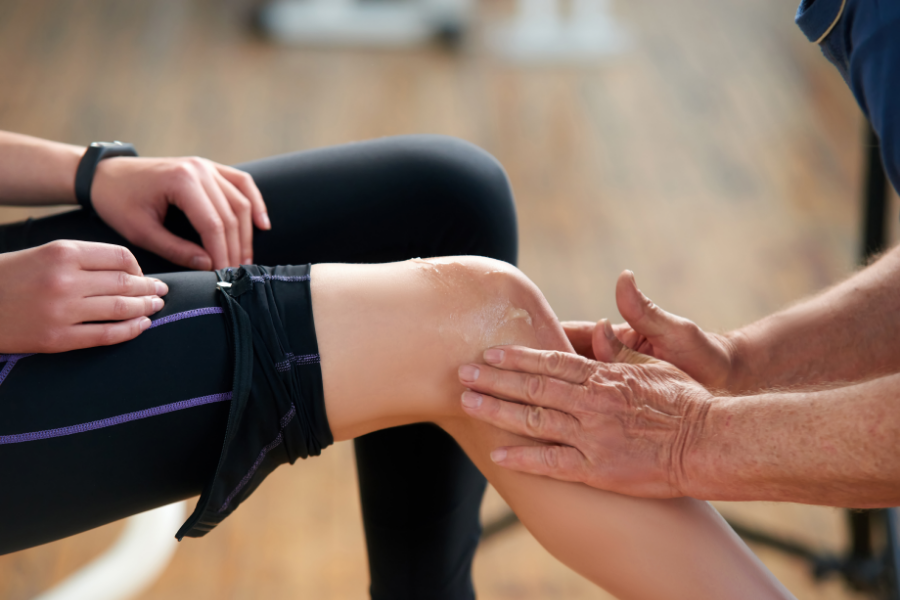
3 exercises for plantar fasciitis foot and heel pain
Heel pain can be most noticeable in the moments when your foot has to start working again: the first few steps out of bed, standing up after sitting, or moving after a period of rest. With plantar fasciitis, that discomfort often comes from irritation in the thick band of tissue that runs along the bottom of the foot.
For some people, the pain sits under the heel. For others, it feels like tightness through the arch or along the sole. It may ease as the foot warms up, then return after a long walk, a workout, a busy shift, or time spent on hard surfaces.
Plantar fasciitis can affect active people, people who stand for much of the day, and people adjusting to new footwear or activity levels. Exercises that strengthen and support the foot, ankle, and calf may help the plantar fascia handle everyday strain with more support.
What is plantar fasciitis?
The plantar fascia is a thick band of tissue that runs along the bottom of your foot. It helps support the arch, absorb force, and protect deeper structures in the foot as you stand, walk, run, and move.
Plantar fasciitis happens when this tissue becomes irritated or overloaded. This can lead to pain under the heel, through the arch, or along the bottom of the foot. Many people notice it most during their first few steps in the morning or after getting up from a seated position.
Foot pain can have many causes, so persistent or worsening symptoms should be assessed. If your symptoms are affecting your daily activities, a physiotherapist can help determine what may be contributing to your pain.
Try these exercises for foot and heel support
The following exercises can help support the foot, ankle, and calf. They may also be used as part of a warm-up before activity. Move slowly, stay within a comfortable range, and stop if symptoms become sharp or worsen.
Note: These exercises and stretches are not intended to replace the advice of your physiotherapist. Starting a new exercise, stretch, movement, or activity may cause some expected stiffness or soreness. If you are unsure whether these movements are right for you, speak with a physiotherapist before trying them.
1. Calf raises
Calf raises help strengthen the calf muscles, which play an important role in supporting the foot and ankle during walking, running, and standing. This exercise can also help build better control through the lower leg.
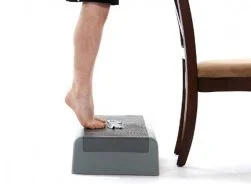
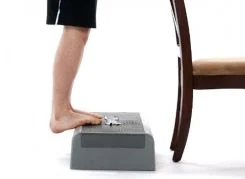
- Start by standing on flat ground, a step, or a stable surface.
- Hold onto a wall, railing, or counter for balance if needed.
- Slowly raise your heels until you are standing on the balls of your feet, then lower your heels back down with control.
Try working up to 3 sets of 10 repetitions. Move slowly and focus on control rather than speed.
2. Towel scrunches
Towel scrunches help activate the small muscles in the foot. These muscles help support the arch and contribute to how the foot manages pressure during movement.
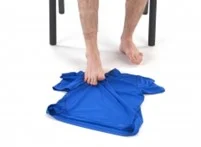
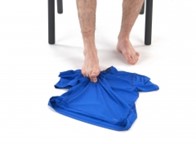
- Sit in a chair and place a towel or loose piece of clothing under your foot.
- Use your toes to scrunch and “grab” the towel, then release and repeat.
Try this for 30-60 seconds, up to 3 times per day. You may feel the muscles along the bottom of your foot working, but the movement should not feel sharp or painful.
3. Plantar fascia massage
Rolling the bottom of your foot over a small firm ball may help reduce tightness and provide short-term relief. This can be especially helpful first thing in the morning or after long periods on your feet.
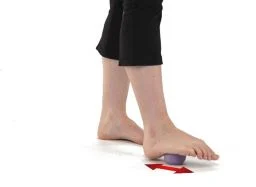
- Place the ball under your foot and gently roll from the heel toward the ball of the foot.
- Keep the pressure comfortable and avoid pressing so hard that the area becomes more irritated.
Try this for 30-60 seconds at a time. If it feels helpful, you can repeat it during the day as needed.
Why does plantar fasciitis happen?
Plantar fasciitis is often related to load. This means the plantar fascia may be handling more stress than it can comfortably manage at that time. That added stress can come from a sudden increase in walking or running, standing for long hours, exercising on harder surfaces, wearing less supportive footwear, or having tightness or weakness through the foot, ankle, or calf.
When the muscles and joints around the foot are not helping absorb and distribute pressure well, the plantar fascia can become more irritated. This is why symptoms may show up after changes in activity, footwear, routine, or time spent on your feet.
Can physiotherapy help plantar fasciitis?
Physiotherapy can help plantar fasciitis by improving strength, mobility, and tolerance through the foot and lower leg. When the muscles around the foot and calf are stronger and better able to support movement, the plantar fascia may have more support during daily activity.
There is no single “perfect” exercise for plantar fasciitis. Many people benefit from a combination of strategies, including stretching, strengthening, manual therapy, footwear advice, taping, activity pacing, or orthotics when appropriate. A physiotherapist can help identify which strategies may be most helpful for you.
When should you see a physiotherapist for plantar fasciitis?
Plantar fasciitis can take time to improve. If your foot or heel pain is affecting your ability to walk, work, exercise, or complete daily activities, it could be helpful to see a physiotherapist
A physiotherapist can complete a full assessment to better understand what may be contributing to your symptoms. From there, they can create a personalized care plan that may include exercises, manual therapy, taping, footwear advice, activity modifications, or recommendations for insoles or custom orthotics when appropriate.
Key takeaways
- Plantar fasciitis is a common cause of foot and heel pain.
- Symptoms may feel worse in the morning, after sitting, or after long periods on your feet.
- Calf raises, towel scrunches, and plantar fascia massage may help support the foot and reduce tightness.
- Exercises may help improve strength, mobility, and load tolerance in the foot and calf.
- If symptoms are affecting your daily life, a physiotherapist can assess your foot pain and recommend a personalized care plan.
FAQs
What is plantar fasciitis?
Plantar fasciitis is irritation of the plantar fascia, the thick band of tissue that runs along the bottom of the foot. It is a common cause of heel pain and pain along the bottom of the foot.
What does plantar fasciitis feel like?
Plantar fasciitis often feels like pain under the heel or along the bottom of the foot. It may feel worse with the first few steps in the morning, after sitting for a long time, or after standing for long periods.
What causes plantar fasciitis?
Plantar fasciitis is often related to increased stress or load on the bottom of the foot. This can happen after changes in activity, footwear, walking or running volume, standing time, or lower-body strength and mobility.
Can exercises help plantar fasciitis?
Exercises may help by strengthening the foot and calf muscles, improving mobility, and supporting how the foot manages load during daily activity.
What are the best exercises for plantar fasciitis?
There is no single best exercise for everyone. Calf raises, towel scrunches, calf stretches, foot strengthening, and plantar fascia massage may help some people. A physiotherapist can recommend exercises based on your symptoms and activity level.
Can I walk with plantar fasciitis?
Many people can continue walking with plantar fasciitis, but it may help to adjust your distance, pace, footwear, or rest breaks. If walking makes your pain worse or symptoms linger afterward, consider seeing a physiotherapist.
When should I get help for plantar fasciitis?
Consider getting help if your pain lasts more than a few weeks, affects your daily activities, worsens with walking or standing, or keeps returning.