Diastasis recti: understanding abdominal separation and your path to recovery

Diastasis recti is a separation of the rectus abdominis—your six-pack muscle—most commonly experienced postpartum, but it can be supported and managed with individualized physiotherapy and professional care.
For many women, the changes in their body after pregnancy come as a surprise. You might notice your belly feels different—perhaps there is a bulge when you sit up, or lingering weakness in your core even as the weeks go by. If this sounds familiar, you’re not alone. Diastasis recti can be a common part of the postpartum journey, but it doesn’t have to limit what comes next on your journey.
See a pelvic health physiotherapist
What is diastasis recti? A straightforward guide
Diastasis recti is a separation of the rectus abdominis muscle—the familiar “six-pack” muscle running down the middle of your abdomen. This split occurs naturally during pregnancy as your body makes room for your growing baby. In fact, this type of abdominal separation is expected; it allows the abdominal wall to stretch safely.
There are two main types:
Functional diastasis recti: The muscles separate but still function well, allowing healthy movement and pressure management.
Dysfunctional diastasis recti: The gap remains after birth, and tissues don’t generate enough tension or pressure—a situation that may require extra care.
Why does diastasis recti happen and who gets it?
The most common cause is pregnancy. As your uterus expands, so does your belly, stretching the connective tissue (linea alba) between the left and right sides of the muscle.
For most people, these tissues gradually rebound as hormone levels shift (especially estrogen) after breastfeeding slows down. Daily activities like lifting your baby or standing up from the floor, naturally load and help strengthen your core over time.
Yet for some, especially those who’ve had caesarean births or live with certain connective tissue conditions (like Ehlers-Danlos syndrome), diastasis recti may persist longer. Lower estrogen levels (normal during the postpartum period) affect tissue elasticity, which can make healing slower.
Recognizing signs: how do I know if I have diastasis recti?
You might notice:
- A visible bulge or “doming” along your midline when sitting up or coughing
- A soft gap felt between the muscles under your ribcage, at or below your belly button
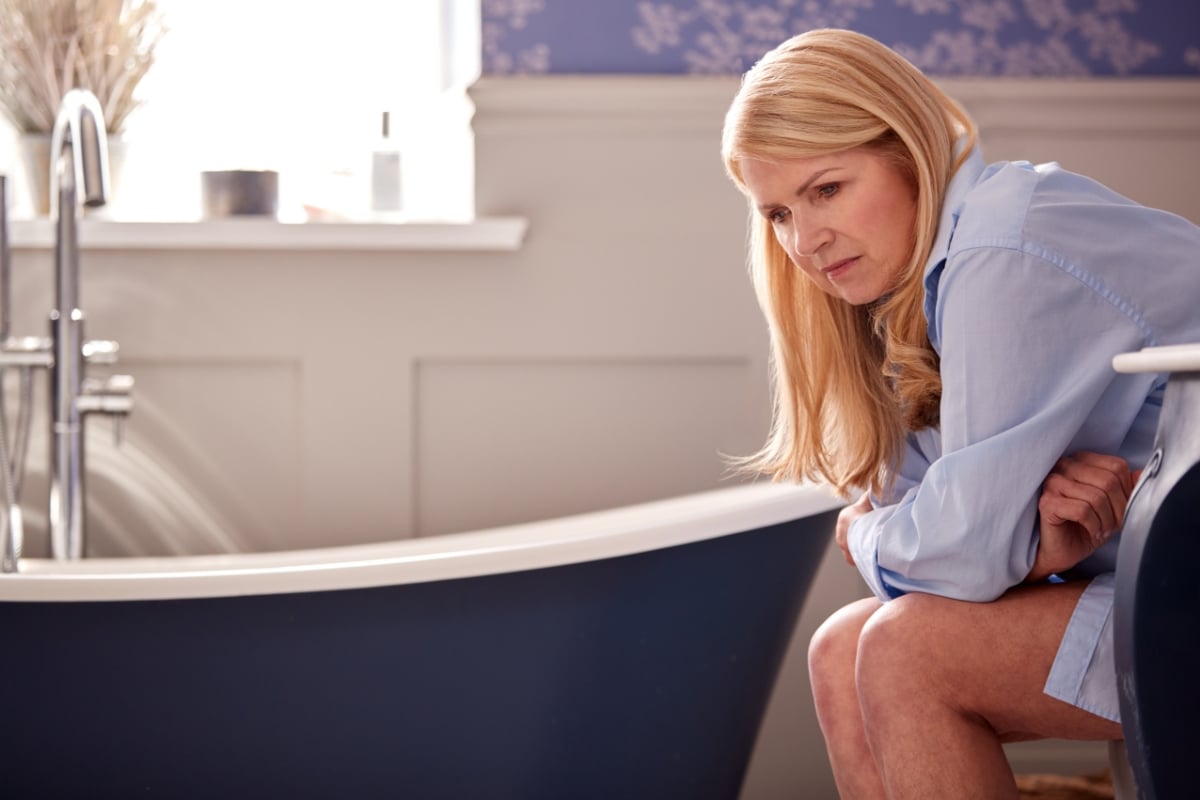
- Core weakness or lower back discomfort
Everyone’s “normal” looks a little different—many people notice a gap, about two fingers wide, between their abdomen muscles, which is common in the postpartum period. More important than the size of the gap is how much tension you feel in the area. If you are unsure and want peace of mind, a pelvic health physiotherapist can provide a thorough assessment.
Common myths about diastasis recti
Let’s clear up some misconceptions:
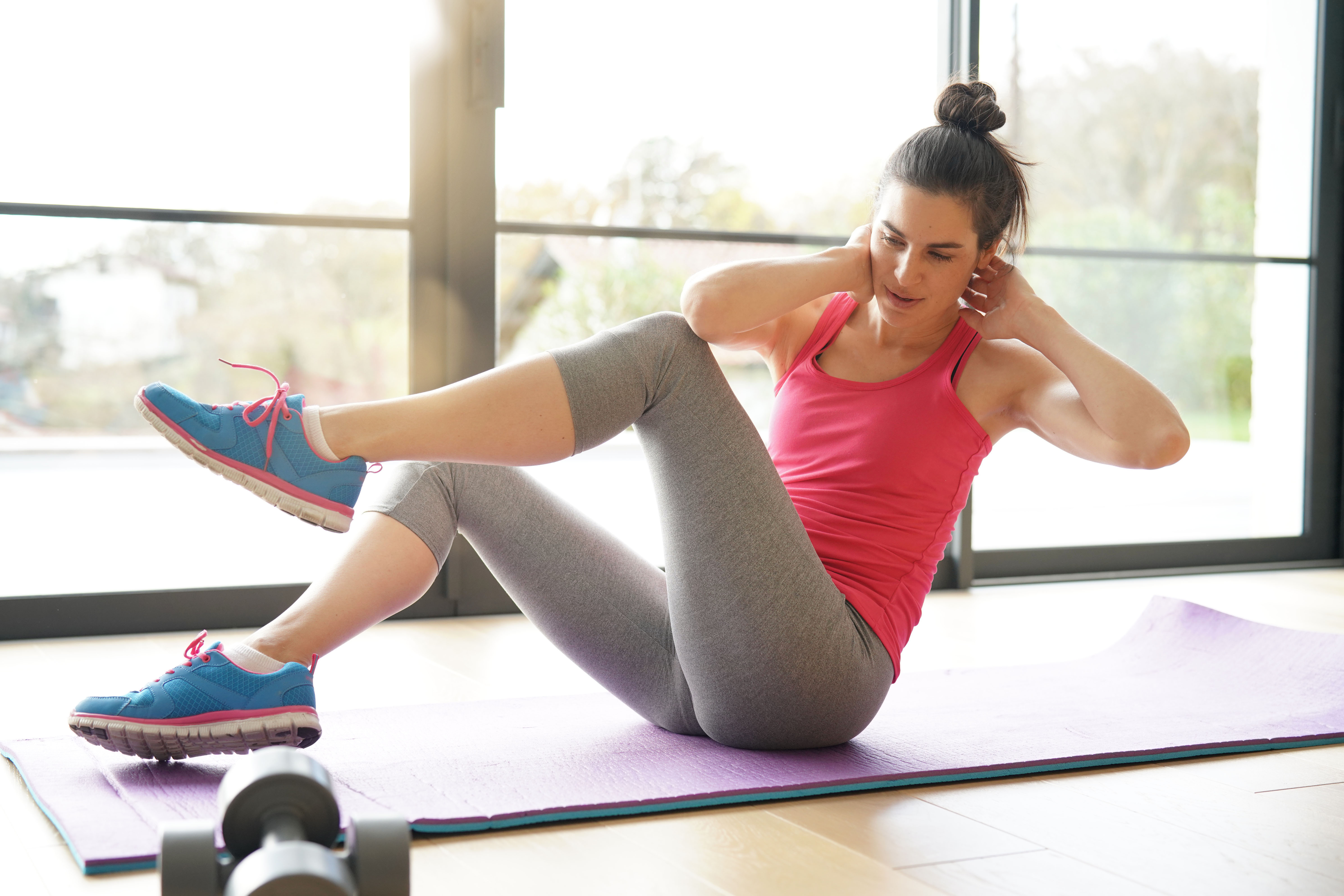
- “You should avoid all core exercises.” Not true! Everyday life requires core activation—think lifting kids or groceries.
- “Don’t lift anything heavier than 10 lbs.” Most babies in car seats weigh much more.
- “Surgery is always needed to fix it.” Surgery is rarely required; many recoveries happen naturally with guided support.
- “Abdominal binders will either fix or ruin everything.” Binders may help in specific cases (such as dysfunctional diastasis), but only after an individual assessment by a pelvic health physiotherapist.
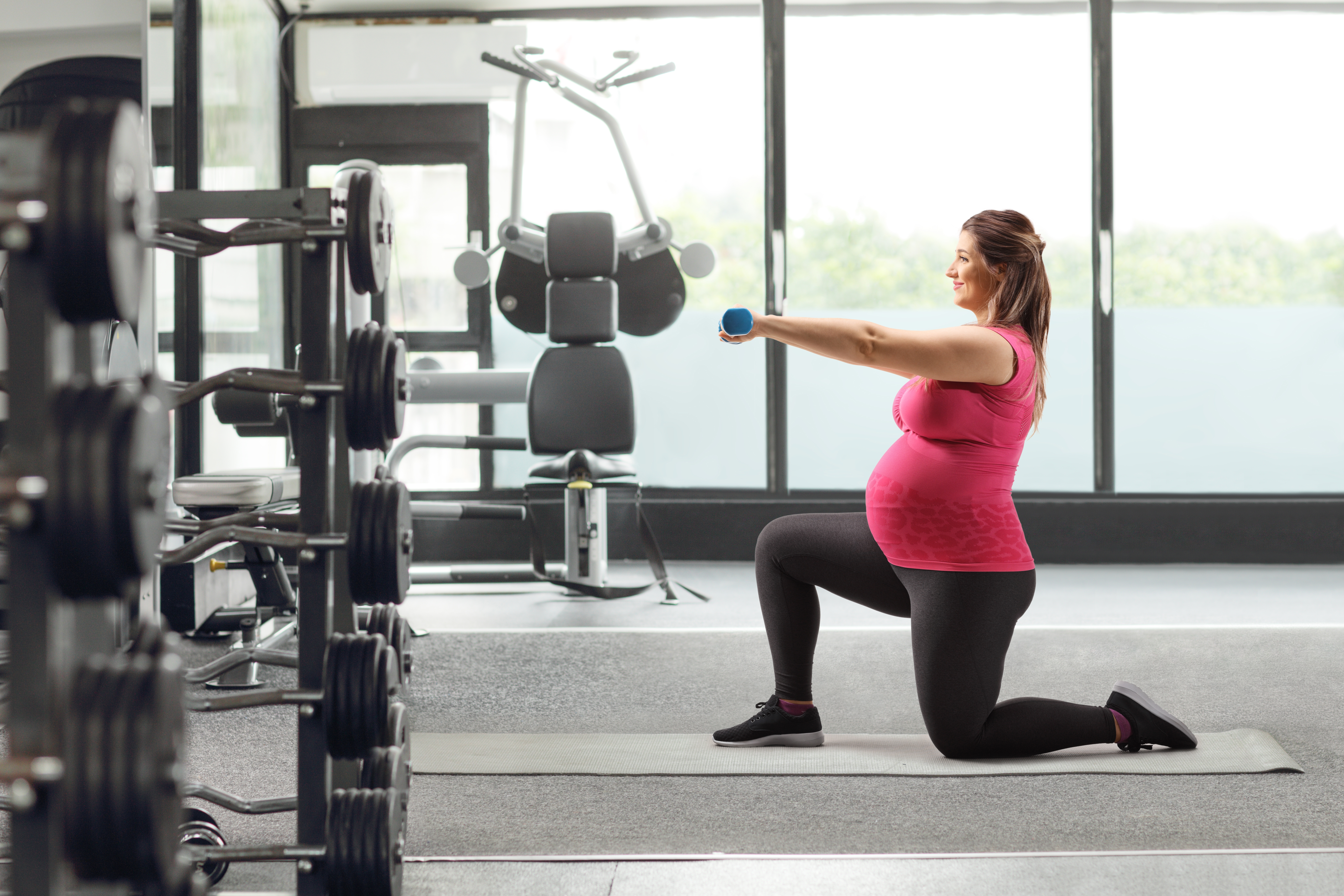
Exercising during pregnancy may help take pressure off your abdomen
During pregnancy, maintaining strength and mobility in your lower body can help reduce excess demand on your abdominal wall. Movements like squats and lunges encourage your legs and glutes to share more of the workload—especially useful as daily tasks become more physically demanding.
Pelvic health physiotherapists often recommend functional movements such as:
- Squats: Building strength in hips and thighs for safer bending and lifting.
- Lunges: Supporting stability for walking, climbing stairs, or getting up from low surfaces.
These exercises may allow you to move comfortably through late pregnancy while helping prevent unnecessary strain on healing tissues postpartum. However, every pregnancy is different—always consult with a pelvic health physiotherapist or healthcare practitioner before beginning or changing any exercise routine.
How pelvic health physiotherapy can help with diastasis recti
Working with a pelvic health physiotherapist offers an evidence-informed approach tailored to each person’s unique needs:
Comprehensive assessment
Your physiotherapist will look at posture, breathing mechanics, alignment, and how you move through everyday activities such as getting out of bed or picking up your child. They’ll assess both how far apart the muscles are and how well tension can be generated across that area.
Individualized movement strategies
There is no single exercise proven to resolve diastasis recti. Instead, physiotherapists focus on helping you find efficient ways to move through daily life while minimizing strain on healing tissues. This could include breathing techniques, learning new ways to bend or lift, and using lower body strength to reduce demand on the core.
Education and support
Pelvic health physiotherapists provide information about safe progressions as you return to activity. They discuss signs like doming or pressure build-up, so you know when to modify movements or seek further support.
Pelvic floor connection
Because there’s an intimate link between breathing patterns and pelvic floor function, assessments often include gentle internal exams (if appropriate), helping ensure all parts of your core system work together efficiently.
Monitoring progress over time
Recovery takes time; changes might begin within 4-8 weeks, but every journey looks different. Your physiotherapist will space out sessions as needed, so you have time to practice new strategies at home while staying connected for ongoing guidance.
Supportive devices
In certain situations where proper tension cannot be generated through the connective tissue, binders may be suggested following thorough assessment by a trained professional.
Lifestyle factors that can support recovery
Supporting your body’s natural healing process goes beyond exercise alone:
- Nutrition: Consuming enough protein is especially important to help rebuild muscles, ligaments, and connective tissue after childbirth.
- Fibre and hydration: Eating fibre-rich foods and staying hydrated supports digestion and overall wellbeing.
- Sleep: Rest is essential for physical recovery—even if it comes in short bursts during early parenthood.
- Stress management: Mental wellbeing matters too; finding moments for self-care supports both mind and body.
- Movement modifications: Learning alternative ways to perform daily tasks can reduce unnecessary load on healing tissues.
Diet, sleep, stress management, and exercise, all contribute energy “in the tank” for recovery after pregnancy. Small changes add up over time; working alongside a pelvic health physiotherapist helps ensure these strategies fit into real life without feeling overwhelming.
Be kind to yourself: healing takes time
If there’s one message worth repeating, it’s this: be gentle with yourself. Recovery from diastasis recti happens alongside caring for a newborn (and sometimes older children too). Hormones need time to rebalance, tissues need time (and nourishment) to repair, and rest might come in small doses rather than full nights’ sleep.
Give yourself grace as you navigate new routines and changing expectations. Every journey is unique and reaching out for support is a sign of strength. Progress looks different from person to person; celebrate each step forward along the way.

Moving forward with confidence
Most people experience some degree of abdominal separation after pregnancy—it’s normal! What matters most is supporting recovery through awareness, individualized movement strategies, nutrition (especially protein intake), rest, stress management, and professional guidance from experts who understand this journey.
If you’re concerned about doming or ongoing discomfort, or simply want peace of mind, a pelvic health physiotherapist at Lifemark can guide you every step of the way.
Key takeaways
- Diastasis recti is common postpartum and can resolve on its own as tissues heal.
- Lower body exercises such as squats and lunges during pregnancy may help reduce strain on abdominal muscles.
- Getting enough protein supports tissue repair during recovery.
- There are many myths about activity restrictions postpartum; guided movement and breathwork is generally safe under professional supervision.
- Being patient with yourself throughout recovery honours both physical healing and emotional wellbeing.
FAQs
Is diastasis recti only an issue after pregnancy?
Most commonly, it develops during or after pregnancy—but it can also occur in other situations involving increased abdominal pressure.
Can I do core exercises if I have diastasis recti?
With proper guidance on technique and pressure management, yes. A pelvic health physiotherapist can assess how your core handles pressure, progress exercises safely, and support your return to higher-load movements.
How long does it take to see improvement?
Muscles can begin to strengthen within 4-8 weeks, while the linea alba (the connective tissue) can take up to 2 years to change and recover. Full resolution varies per individual.
Are abdominal binders necessary?
Only in certain cases. Discuss with a pelvic health physiotherapist before use.
What risks are associated with untreated diastasis recti?
Potential risks may include hernia development or ongoing back pain.
Book an appointment with a Lifemark physiotherapist near you for personalized support on your recovery journey.