How to stay active this summer without getting sidelined: common sports injuries explained
You’ve signed up for the recreational soccer league, dusted off your hiking boots, or maybe you’re finally committed to running three mornings a week. Then, somewhere between the first kick or a misstep on a trail, something hurts.
So, what are common sports injuries? They’re aches, strains, sprains, and overuse injuries that happen when the body takes on more than it is ready for. They can affect anyone, from weekend warriors to seasoned athletes. The good news: many sports injuries can be prevented, or the risk can be reduced. If an injury does happen, physiotherapy can help assess what is contributing to your pain, guide recovery, and support your return to activity.
5 common sports-related injuries physiotherapists can help with
Summer brings more active time outdoors, which can increase the likelihood of sports-related injuries. 5 common sports injuries that may benefit from physiotherapy include:
1. Plantar fasciitis Occurs from repetitive overload of the foot arch, common in running or hiking. Risk factors include flat feet or unsupportive footwear like flip-flops. It causes pain along the bottom of the foot, near the heel or arch. You might notice it most with your first few steps in the morning, after long periods of sitting, or following exercise.
2. Shin splints can happen when repetitive stress affects the shin bone and surrounding muscles and tissues. Shin splints pain can range from mild soreness after activity to pain with every single step. In severe cases, unaddressed symptoms should be assessed, as ongoing stress may increase the risk of a stress fracture.
3. Ankle sprains can happen when ankle ligaments overstretch during movements like jumping or walking on uneven surfaces. Summer activities like trail running or soccer often trigger these injuries.
4. Tennis elbow is caused by repetitive forearm movements. Despite the name, it can occur in sports such as squash, baseball, fencing, or rock climbing. Pain appears at the outside of the elbow and may make gripping or lifting uncomfortable.
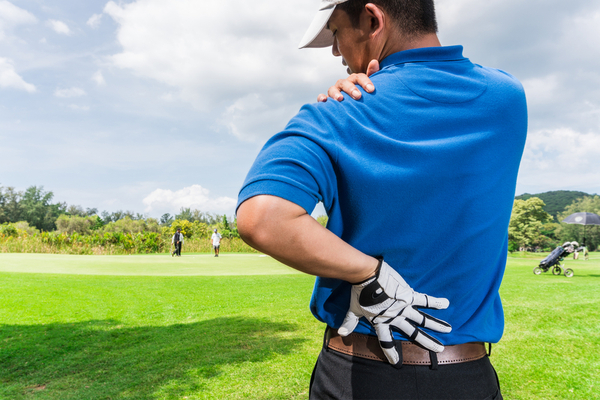
5. Back strain affects muscles and tendons in the back, often from repetitive impact such as running or jumping, twisting such as during golf, or lifting during football or weightlifting, for example. Symptoms may include muscle spasms, pain between shoulder blades, tightness, reduced mobility, and pain that travels into the hips or legs.
Which outdoor sports or activities are at highest risk of injury?
The risk isn’t tied to one sport. It’s tied to how the body moves and how prepared it is. Some activities naturally carry higher injury risks due to their intensity or movements:
- Soccer, basketball, and trail running involve quick direction changes that put stress on ankles and knees.
- Paddling, tennis, baseball, and golf involve repetitive arm or shoulder movements and can strain the elbow and upper back over time.
- Long distance running and jump training put stress on the feet and shins.
- Even weekend activities like gardening, frisbee, or beach volleyball can cause injuries if the body is underprepared, overworked, or poorly supported.
What risks contribute to developing a sports injury?
Injury risk isn’t just about the sport or movement. Common contributing factors include:
- Lack of warm-up or cool-down routines. Jumping straight into a full sprint or a hard game without preparing the body can increase injury risk. A proper warm-up increases blood flow to the muscles and gets the joints moving through their range of motion before the demands of activity begin.
- Wearing the wrong footwear. Sandals, old running shoes, or shoes designed for a different activity can all increase the strain on the feet, ankles, and knees.
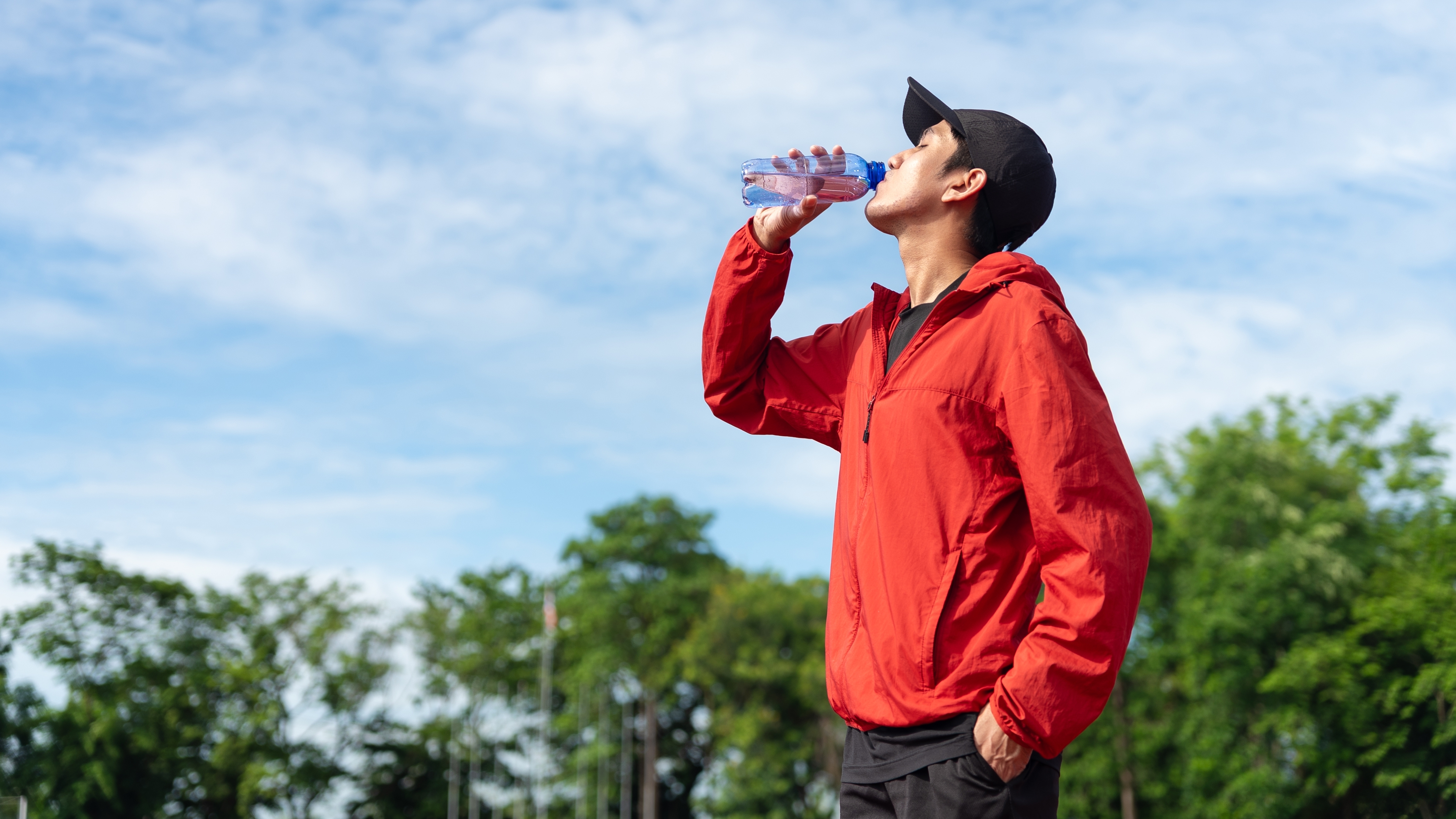
- Dehydration or inadequate nutrition. When the body is under-fueled or dehydrated, muscles fatigue faster and coordination can be affected, which can raise the risk of a misstep or strain.
- Doing too much, too soon. A long weekend of hiking after months of low activity, or jumping into a sport without building up gradually, is a common setup for overuse injuries like plantar fasciitis, shin splints, and runner’s knee.
- Uneven terrain or unpredictable outdoor conditions. Summer trails, grass fields, and beach terrain are different from gym floors. The body needs time to adapt, and strengthening exercises may help support the feet, ankles, and knees.
- Even a quick lunchtime run without warming up can make muscles more prone to strains or sprains. Small adjustments like stretching, hydration, and supportive footwear can make a big difference.
Tips to prevent sports injuries
Injury prevention for athletes and recreational movers comes down to a few consistent habits:
- Warm up properly. 5-10 minutes of dynamic stretching or light cardio prepares muscles. This can look like leg swings, hip circles, arm rotations, and a brisk walk.
- Stay hydrated and fueled. Your body performs better when it has enough fluid and energy.
- Wear proper footwear and clothing. Shoes with adequate support reduce stress on joints. Running shoes are for running, supportive trail shoes are for hiking, and training shoes for other sports. Replace shoes that have worn down in the sole and don’t provide support anymore.
- Incorporate injury prevention exercises. Strengthen stabilizing muscles to reduce the risk of injuries like ankle sprains or runner’s knee.
- Cool down and stretch. Gentle stretching after activity helps muscles recover and reduce stiffness and soreness the next day. Focus on areas you just worked: calves and feet after a run, shoulders and forearms after a racquet sport, hamstrings and glutes after a hike.
- Listen to early warning signs. Soreness that lingers more than a day or two, pain that worsens during an activity, or swelling that won’t go away, are signals that you may need an assessment with a physiotherapist.
What to do if you’re injured playing sports
If you do get hurt, immediate care can help support optimal healing:
- Rest and protect the injured area. Ease off the activity and avoid movements that make the pain worse.
- Apply ice if needed for pain relief. Icing the injured area can help reduce swelling and may provide relief from discomfort.
- Elevate if possible and compress to reduce swelling. Raising the injured area above heart level can help reduce swelling and promote fluid drainage. If this worsens pain, avoid this movement. Wrapping the area with a bandage or sports tape may also help control swelling.
- Seek care with a clinician. A physiotherapist can help assess your injury, monitor your pain, and guide your treatment plan to help you safely return to sport.
How can a physiotherapist help me return to sports?
A physiotherapist will look at how you move, identify what may have contributed to your injury, and build a plan that supports your recovery goals while helping reduce the risk of re-injury. This can look like:
- Personalized exercises to restore strength and flexibility
- Guidance on proper technique and body mechanics
- Education on injury prevention for athletes
- Support for sports injury recovery, including ankle sprains, shin splints, runner’s knee, and back strains
Physiotherapists work with you to help you return to your favourite summer sports confidently and safely.
Key takeaways
- Summer sports injuries like plantar fasciitis, shin splints, ankle sprains, tennis elbow, and back strains are common but can be prevented or the risk may be reduced with physiotherapy.
- Proper footwear, hydration, warm-ups, and cool-downs can help reduce injury risk.
- Even small activities like hiking or gardening can cause injury without preparation.
- Early care and physiotherapy support can help guide safe recovery.
- Injury prevention exercises can help strengthen muscles, improve balance, and support joints.
FAQs
What are common summer sports injuries?
Plantar fasciitis, shin splints, ankle sprains, tennis elbow, and back strains are common summer sports injuries. These tend to occur when the body is doing more than it’s used to, especially at the start of the season.
How do I know if my ankle sprain is serious enough to see a physiotherapist?
If you have significant swelling, can’t bear weight on the ankle, or the pain isn’t improving after a few days, it’s worth getting assessed. Ankle sprains vary widely in severity, and a physiotherapist can help guide your recovery.
What's the best way to prevent sports injuries?
Warming up before an activity, cooling down afterward, wearing appropriate footwear, and building up your activity level gradually are helpful injury prevention strategies. Staying hydrated and eating enough can also help your muscles perform and recover.
Can runner’s knee go away on its own?
Runner’s knee can improve with rest, but it often comes back if the underlying cause isn’t addressed. A physiotherapist can assess your movement and prescribe exercises to strengthen the muscles that support the knee, reducing the chance of it recurring.
Should I see a physiotherapist for shin splints?
If shin pain keeps coming back, worsens during activity, or does not improve with rest, a physiotherapist can assess what may be contributing to the pain. They can also recommend exercise, activity changes, and return-to-sport guidance.
Should I use ice or heat after a sports injury?
In the first few days after an acute injury, ice can help manage pain and swelling. Heat may be more useful later for muscle tightness or stiffness. Try to avoid over-icing or using heat too soon after an injury to the joint. A physiotherapist can guide you.
Are ankle sprains preventable?
Not all ankle sprains can be prevented, but strengthening stabilizing muscles, wearing supportive footwear, warming up, and building balance can help reduce risk.
How soon can I return to sport after an injury?
It depends on the type of injury and severity of the injury. Many soft tissue injuries begin to improve within 1-2 weeks with proper care, but returning too soon can make things worse. Physiotherapy can help guide a safe return to activity based on your symptoms, strength, mobility, and sport demands.
Book with a Lifemark physiotherapist to stay active safely this summer.