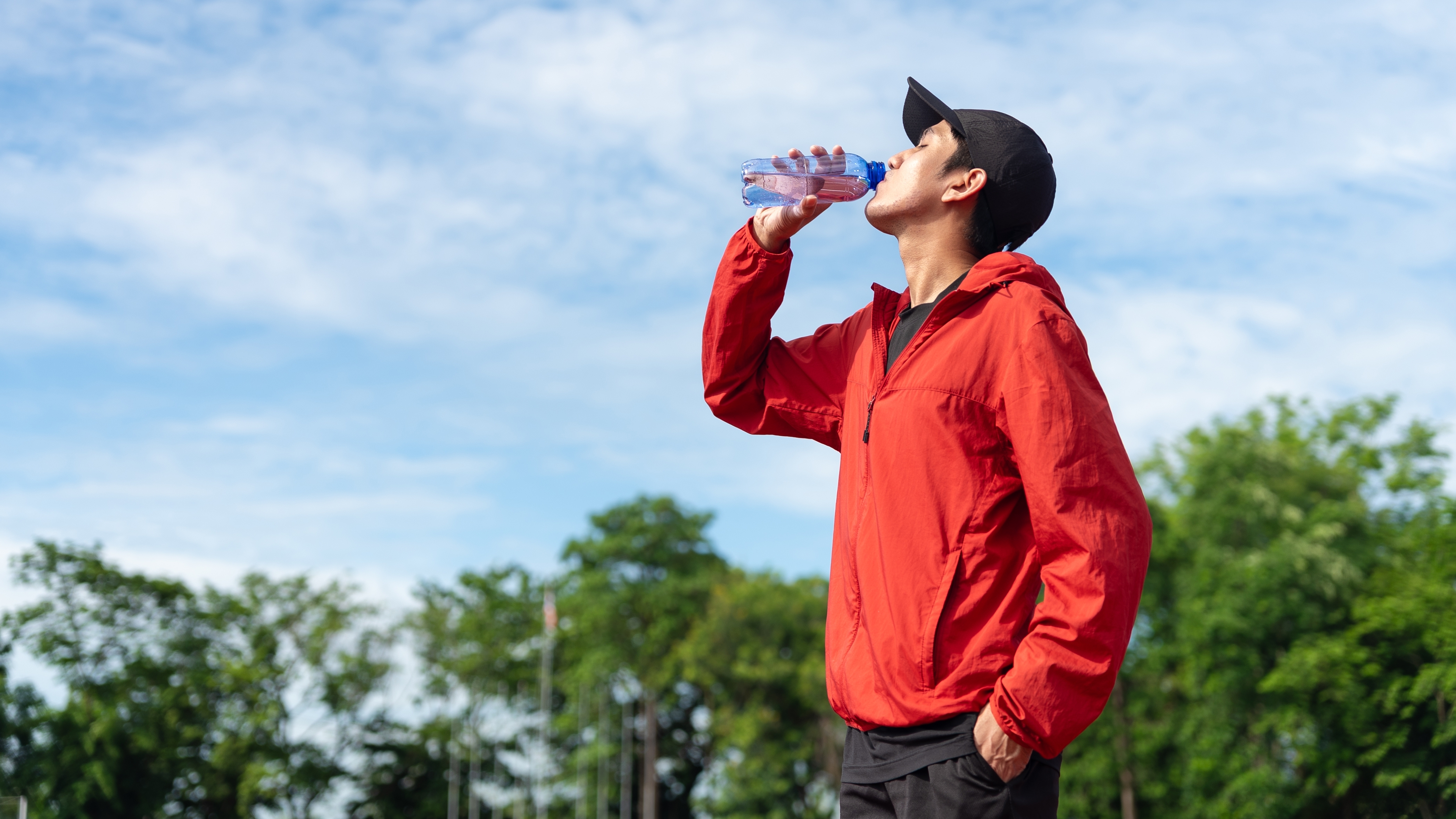
Can dehydration cause muscle cramps? Here's what may be going on
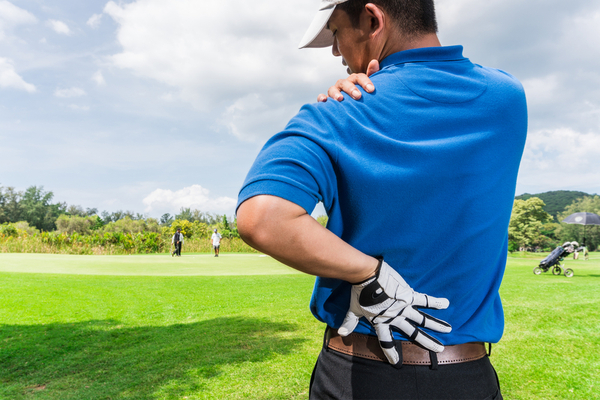
It’s been a hot summer. Between morning walks, beach volleyball, and long runs, you’ve been keeping your body busy. You’re stretching after workouts and properly cooling, but those nighttime calf cramps keep coming. You’ve tried a heat pack, massaging the cramp, but it doesn’t help. Dehydration could be the culprit.
Dehydration can contribute to muscle cramps, spasms, and slower recovery after activity. When your body loses more fluids than it takes in, especially through sweat, it can affect the balance of electrolytes like sodium and potassium. These minerals help your muscles contract and relax properly. When fluid levels are low, muscles may become more prone to cramping, tightness, or soreness after activity.
What causes muscle cramps?
Muscle cramps happen when a muscle contracts suddenly and doesn’t release. They can be triggered by dehydration, electrolyte changes, muscle fatigue, overuse, poor circulation, some medications, pregnancy, or certain health conditions. In hot weather or after activity, fluid loss from sweating may make cramps more likely.
Dehydration is one of the more common and overlooked causes—especially for people who are active in the heat. When your body sweats and doesn’t get enough fluids back, the muscles can become more prone to spasming.
Who gets muscle cramps?
Muscle cramps are very common and can affect people of all ages and fitness levels. That said, they tend to show up more in people who are physically active, pregnant individuals, older adults, those with underlying conditions, or poor circulation.
If you’ve been pushing through a busy, active summer and noticing more cramps than usual, you’re not alone—there’s often a clear explanation.
Other contributing factors of muscle cramps can include:
- Muscle overload
- Reduced flexibility
- Joint mobility
- Training errors
- Biomechanics
- Recovery habits
- Occupational posture
- Footwear
- An underlying medical condition
What causes dehydration?
Dehydration happens when your body loses more fluid than it takes in. On hot summer days, this can sneak up on you fast, especially when you’re active outside and sweating more than usual.
Exercise, heat, and humidity all increase how much you sweat. If you’re not replenishing those fluids, your body starts to fall behind. It doesn’t take a lot to tip the balance, particularly during back-to-back activity days.
What are the symptoms of dehydration?
Some signs are easy to miss until they’ve already added up. Here’s what to look for:
- Dark yellow urine—an early sign your body may need more water
- Dry or pasty feeling in your mouth
- Extreme thirst
- Mild to severe headache or lightheadedness
- General fatigue or muscle weakness
If you’re noticing a few of these alongside muscle cramps, dehydration may be playing a role.
What do muscle cramps from dehydration feel like?
Dehydration-related muscle cramps tend to feel sudden and sharp. Many people describe them as a gripping or seizing sensation that comes out of nowhere. They can happen mid-activity, immediately after, or even while you’re lying in bed at night.
The calves, feet, and thighs are common spots, which is why that nighttime calf cramp is such a familiar experience. Passive stretching or massaging in the moment can help provide some relief.
Cramping from a tired or overworked muscle can feel dull, heavy, achy, or tight. It may show up during activity, shortly after, or later in the day. This can happen when the muscle has been working harder than usual, especially if it has not had enough time, fluid, or recovery support.
Red flags: when to seek immediate care for muscle cramps
Seek medical attention when cramps are:
- Unaffected by medication
- Persistent
- Present with swelling on one side of the body
- Present with weakness, numbness, and/or fever
- Present with significant redness
- Severe with unremitting pain
- Occurring without activity
- Associated with changes in medication
- Frequent despite proper hydration
Tips to improve hydration
The easiest step to addressing cramps is to improve your hydration before, during, and after activity.
Rehydration is about consistency, not just chugging water after a workout. Start drinking water earlier in the day, not just when you feel thirsty. Thirst is often a late signal that your body may already require fluid intake.
After intense activity, especially heavy weightlifting, HIIT, jump rope, or plyometrics, drinking enough fluids (1.5 L to 2.5 L per day) can help support normal muscle function and recovery. Hydration works best alongside food, rest, gradual training, and proper warm-up and cool-down habits.
A few simple habits can help:
- Keep a water bottle with you throughout the day
- Drink a glass of water before heading outside
- Rehydrate after activity, not just during
- In hot weather, increase your intake even if you’re not doing formal exercise
What about electrolytes?
Electrolytes are a mix of mineral salts and fluids that help replenish sodium and potassium—the minerals most lost through sweat. Sports drinks or electrolyte packets can be helpful if you’re sweating heavily or exercising for long stretches.
That said, not everyone needs an electrolyte supplement. If you’re eating regular meals with a normal amount of salt, your food is likely to provide enough electrolytes for moderate activity. They’re most useful when you’re doing prolonged, high-intensity exercise or spending extended time in the heat.
How much water is too much?
It’s possible to over-hydrate, though it’s less common. Drinking too much plain water too quickly can dilute the sodium in your body. This is called hyponatremia, and it can cause its own set of symptoms.
For most active adults, listening to your body and aiming for pale yellow urine is a practical guide. If you’re unsure about your hydration needs during high-level training, it’s worth speaking with a clinician.
How massage therapy can help calm muscle spasms
Massage therapy may help ease muscle tension, support circulation, and provide short-term relief for tight or overworked muscles. It can also support a broader recovery plan when used with hydration, stretching, strengthening, activity changes, and clinical guidance.
A Registered Massage Therapist (RMT) will conduct an assessment and address the affected areas to help reduce muscle tension and cramping. Many people find it a helpful part of their recovery routine alongside better hydration.
Key takeaways
- Fluid loss and electrolyte changes from sweating may make muscles more prone to cramping, especially during heat or prolonged activity. Nighttime cramps are often delayed reactions to fluid loss that happened earlier in the day.
- Proper hydration can support muscle function and recovery after activity, but cramps can also be linked to fatigue, overuse, electrolyte changes, medications, circulation, or other health factors. Electrolyte supplements aren’t always necessary—regular meals with adequate salt may be enough for moderate activity.
- Massage therapy can be a helpful complement to hydration, especially for stubborn or recurring muscle spasms.
FAQs
Can dehydration cause muscle cramps at night?
Fluid levels can continue to drop after activity ends, and muscles that are still recovering may cramp during rest or sleep, especially in the calves and feet.
Why does dehydration cause muscle cramps?
Dehydration disrupts your electrolyte balance, particularly sodium and potassium. These minerals help muscles contract and relax properly. Without them in the right amounts, muscles can seize or spasm.
How do I know if my cramps are from dehydration?
Signs like dark urine, dry mouth, fatigue, or headaches alongside your cramps may suggest dehydration is a factor. Cramps that come on suddenly and feel sharp and intense that improve with consistent hydration are often a clue.
Do I need electrolytes or just water?
It depends on how much you’re sweating and how long you’re active. For most moderately active people, a balanced diet provides enough electrolytes. If you’re doing intense or prolonged exercise in the heat, electrolytes may help.
Can massage therapy help with muscle cramps from dehydration?
Massage therapy may help by easing tight muscle groups and supporting circulation in areas where tension or inflammation has built up. It works best alongside proper hydration, not instead of it.
How long does it take to rehydrate after a workout?
It varies, but consistent fluid intake in the hours after activity, rather than a large amount all at once, tends to be more effective for recovery.
What’s the best way to prevent dehydration cramps during summer?
Drink water steadily throughout the day, increase intake on hot days and during outdoor activity, and consider electrolytes if you’re sweating heavily for extended periods.