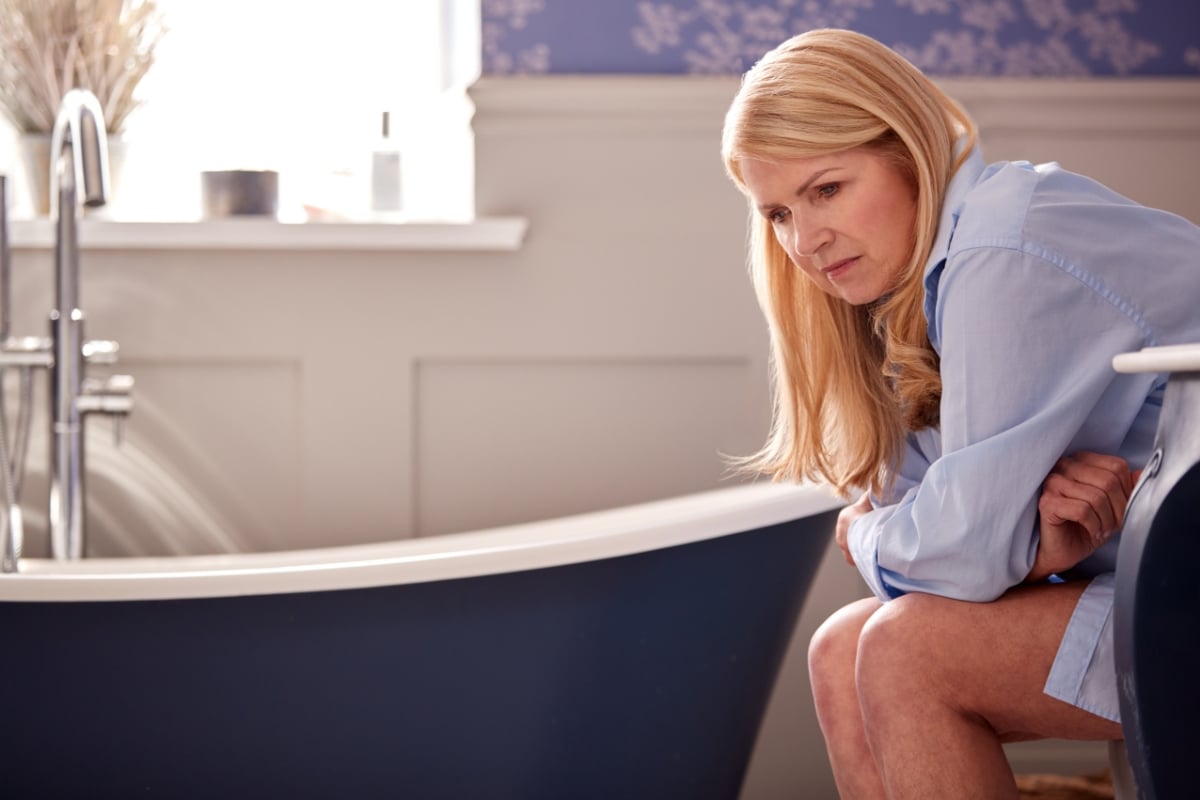
Urinary Incontinence? Physiotherapy can treat that.
What is urinary incontinence?
The international continence society defines urinary incontinence (UI) as any involuntary loss of urine, whether that be a little or a lot.
It is estimated that nearly 1.5 million Canadians, of all ages, suffer from some form of UI. Despite such a high prevalence, less than 50% of clients discuss their urinary incontinence and therefore go untreated. Under-reporting can be due to many factors but often it is because of a lack of understanding of incontinence, a feeling of embarrassment, and a lack of awareness of treatment options.
There are two common forms of urinary incontinence
Urinary incontinence can be affected by several factors including stress, urge, mental factors that prevent timely access to a toilet, or overflow, when the bladder doesn't empty entirely. Two common forms of urinary incontinence are:
Stress Urinary Incontinence (SUI): the involuntary loss of a small amount of urine associated with a rise in intra-abdominal pressure, often caused by coughing, sneezing, laughing, lifting, or high-impact sporting activities like running and jumping.
Urge Incontinence: the involuntary loss of urine associated with a strong desire to void (urgency). This can lead to a small or large amount of urine loss and is often associated with an overactive bladder.
Urinary incontinence can also be affected by bathroom and toilet habits like holding your bladder or straining your pelvic muscles.
A pelvic health physiotherapist can help
It is possible to experience both stress and urge incontinence together. The good news is, a trained pelvic health physiotherapist can help! A pelvic health therapist can work with you to determine what your triggers are, create a plan to help minimize leaks, evaluate the strength of your pelvic floor muscles and provide a home exercise plan.
To learn more about pelvic health, visit our service page or consider booking an appointment with a pelvic health physiotherapist. Find a location near you for an in-person assessment. Your pelvic floor will thank you!