Unlock your body with Stretch Rx: Is stretch therapy the missing piece in your wellness routine?
Have you ever finished a long day at your desk and felt like cement settling on your shoulders? Or maybe you’re training for a 5K, but a stiff back and tight hips are holding you back from your next personal best. You stretch on your own, but it never seems to be enough to truly release that deep-seated tension.
It’s a common feeling. We know movement is important, but whether you're pushing for peak performance or trying to undo the effects of a 9-to-5, our bodies can feel stuck. This is where stretch therapy, specifically Stretch Rx, can help improve flexibility, reduce risks of injuries, and help you move with ease in a safe, supported way.
What exactly is Stretch Rx? (Assisted stretching explained)
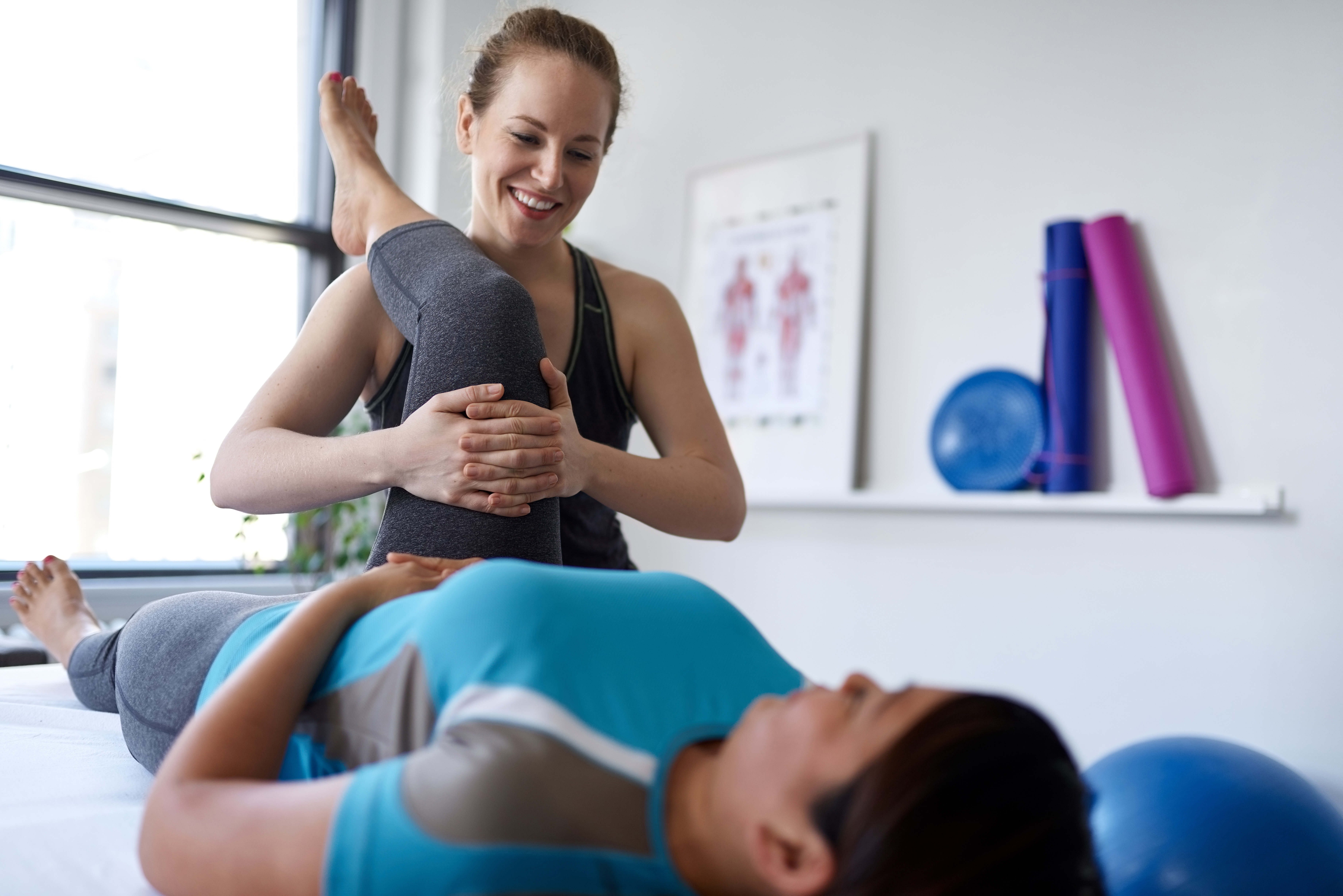
Stretch Rx is our signature, elevated approach to stretch therapy, a practice also known as assisted stretching. At its core, assisted stretching is a technique where a therapist manually guides your body through a series of targeted movements. Unlike stretching on your own, Stretch Rx is a one-on-one, therapist-led session who does the work for you.
You remain fully clothed, lie on a treatment table or mat, and simply relax. The therapist will safely ease your body into a deeper and more effective stretch, helping to improve flexibility and release tension efficiently.
How is Stretch Rx different?
It’s common to wonder how this compares to other wellness practices. The key differences lie in experience and technique.
Stretch Rx vs. stretching on your own
Many people say, “I just can’t get the right angle on my own.” A trained therapist can position your body and apply gentle, consistent pressure to target muscles more effectively and safely. They can help you move past your normal range of motion without straining, ensuring a more productive stretch.
Stretch Rx vs. yoga
Yoga is an active practice where you are responsible for moving your body into different poses and holding them for a couple of breaths. In contrast, with Stretch Rx, your only job is to breathe and relax. This allows you to fully immerse yourself in the experience as the therapist guides your limbs, rather than actively participating.
Stretch Rx vs. massage therapy
While both can relieve tension, they work differently. Massage therapy often involves a therapist actively kneading and applying pressure to break down muscle knots. Stretch Rx focuses on lengthening the entire muscle to improve flexibility and release tension. For some people who are sensitive to the intense pressure of deep tissue massage, the gentle, elongating movements of Stretch Rx can be a more comfortable alternative.
What to expect at your Stretch Rx stretch therapy session
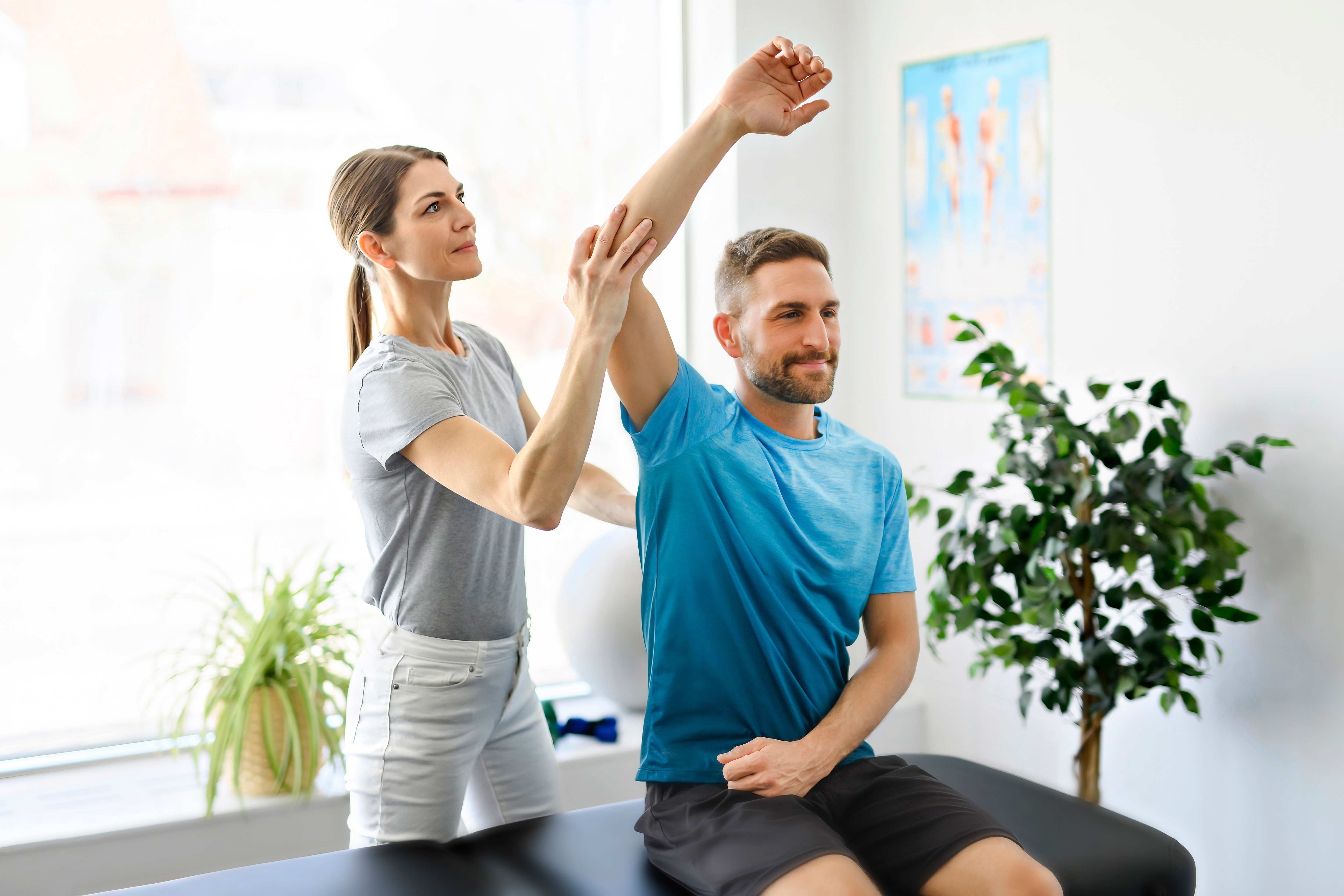
Stretch Rx is customizable and therapist guided. Whether your goal is athletic performance or daily comfort, a dedicated clinician will assess you and create a personalized plan that helps meet your unique needs.
Your initial assessment
Your journey begins with a short, 30-minute assessment with a registered physiotherapist or chiropractor. They will discuss your goals, evaluate your mobility, and perform any necessary physical tests to help create a completely customized treatment plan.
Therapist-guided stretching sessions
Based on your plan, you’ll work with a certified stretch therapist, such as a kinesiologist or physiotherapist assistant. Sessions are typically 30, 45, or 60 minutes long, focusing on your body’s specific needs.
Monitored progress
Your care is overseen by the initial physiotherapist or chiropractor. They ensure your program evolves as your mobility improves, with customizable session frequency based on your wellness goals.
4 stretch therapy benefits for everybody: from the desk chair to the finish line
From dedicated athletes to office workers and older adults, the advantages of assisted stretching are scientifically supported and can be tailored to any lifestyle.
1. Helps alleviate pain and enhance flexibility
One of the primary goals of Stretch Rx is to help alleviate pain by reducing muscle stiffness. This therapy can provide an immediate increase in range of motion after a session, making you feel looser right away. Over time, consistent sessions work to improve your long-term flexibility, which helps make everyday movements feel easier and more fluid.
2. Boosts circulation
The gentle, controlled movements of assisted stretching help increase circulation via improved blood flow. This delivers more oxygen and nutrients to your muscles and tissues, which is essential for muscle recovery and overall health.
3. Helps enhance performance and strength
For those who push their bodies to the limit, Stretch Rx is a game-changer for sports recovery. Beyond just releasing tension, improving your range of motion allows you to engage muscles more effectively during workouts and can help protect against injury. This better muscle activation can, in turn, contribute to increased muscle strength and growth.
4. Eases built-up tension after long sedentary periods
Spending long periods hunched at the desk all day? Stretch Rx can help those with sedentary lifestyles ease tension by specifically targeting the tight neck, shoulders, and back that come from hours of sitting. Regular sessions can counteract the effects of a less active lifestyle, reduce nagging stiffness, and release tightness in the hips and legs.
Key takeaways
- You just relax; we do the work: Unlike yoga or self-stretching, a certified therapist guides your body, allowing for a deeper and more effective release.
- Stretch Rx offers comprehensive benefits: Experience reduced pain, better circulation, long-term flexibility, and improved athletic performance.
- It’s personalized and safe: Your program is created and overseen by a physiotherapist or chiropractor to meet your specific goals.
- It benefits every lifestyle: Stretch Rx helps everyone from athletes seeking better performance to desk workers seeking to relieve tension.
FAQs
How often should I do stretch therapy for the best results?
The ideal frequency depends on your goals. For general wellness, once or twice a month may be sufficient. For sports recovery or addressing chronic stiffness from a desk job, weekly sessions might be recommended. Your physiotherapist will help create a schedule for you.
Is assisted stretching like Stretch Rx painful?
Assisted stretching should not be painful. You may feel a deep stretch, but your therapist will always work within your comfort level and communicate with you to ensure a safe and effective experience.
Is stretch therapy like Stretch Rx right for me?
Stretch Rx is beneficial for athletes looking to improve sports recovery, desk workers wanting to alleviate stiffness, and older adults seeking better circulation and mobility training. If you feel tight or stiff, you’re likely a great candidate.
Take control of your movement
Feeling stuck, stiff, or tight doesn’t have to be your normal. Whether you want to perfect your deadlift, sit at your desk without pain, or simply move through your day with more ease, taking a proactive approach to your flexibility can make all the difference.
Ready to learn how a personalized plan could help you move better? Learn more about Stretch Rx, and how assisted stretching can help you reach your goals.