Self-care tips to reduce shin pain

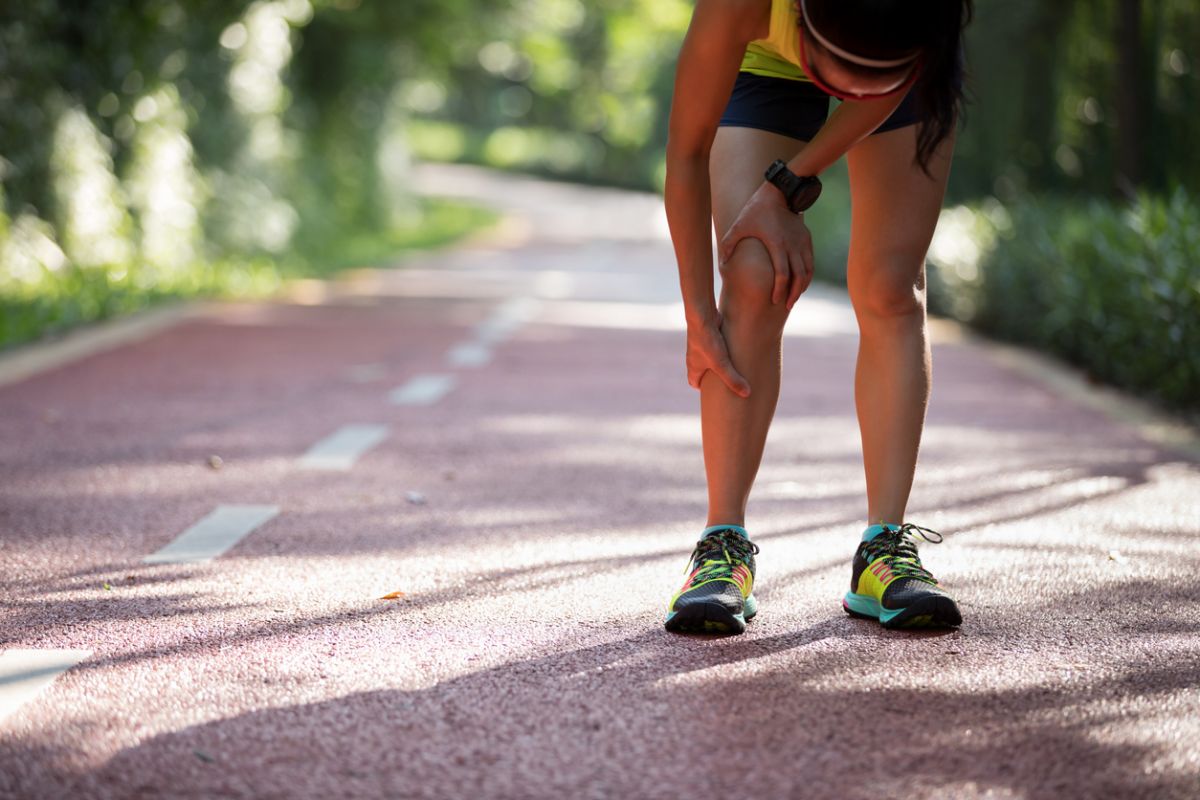
You might think that shin pain happens to runners, but this issue can happen to anyone who has recently intensified their level of physical activity. Read on to learn what causes shin splints and tips and exercises you can try to help reduce pain from shin pain.
What muscles cause shin pain?
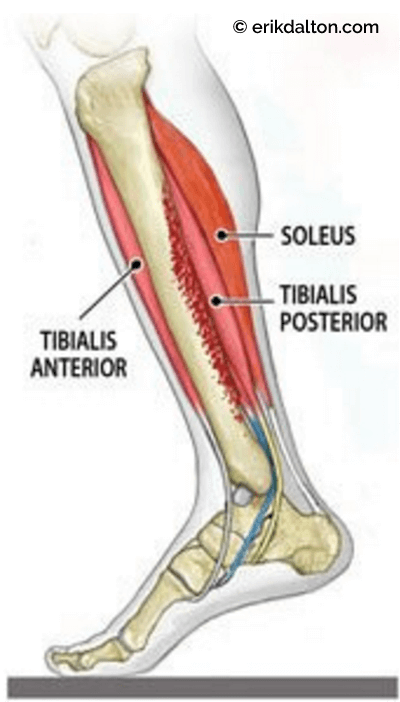
Shin pain, also known as “shin splints”, is a condition caused by inflammation of the tibialis posterior muscle. This muscle runs along the front and inside of the tibia, or “shin bone”.
When running or walking, the foot and ankle go through the movements of pronation (foot rolls inward) and supination (foot rolls outward). In common terms, pronation is flattening of the arch of the foot, which is a necessary movement to provide shock absorption. Supination refers to the arch of the foot lifting up, required to make the foot and ankle stable when pushing off.
The tibialis posterior muscle helps to produce the movement of supination but also helps to slow down the motion of pronation during walking or running.
Several factors can contribute to overuse and inflammation of tibialis posterior:
- Worn out footwear: A walking or running shoe helps to provide support for the foot and ankle. When a shoe starts to break down there can be more pronation of the foot and ankle which means the tibialis posterior muscle has to work harder.
- Tight calf muscles: When the calf muscles at the back of the lower leg are tight, they limit ankle range of motion and cause an increased amount of foot pronation. This forces the tibialis posterior muscle to work harder to work against this tight muscle group.
- Weak hip and core muscles: Foot and ankle pronation results in inward rotation of the lower leg. Muscles higher up the leg also control the amount of inward rotation that occurs at the ankle.
Tips to reduce shin pain at home
If you think you have shin splints, follow these guidelines:
- Rest the inflamed tissue by finding an activity that involves less weight bearing through your leg, such as cycling or swimming
- Ice the inflamed area for 15-20 minutes, several times per day
- Wear shoes indoors to rest and protect the inflamed tissue
- If your shoes are between 6-12 months old, consider investing in a new pair
You can also try these stretches and strengthening exercises:
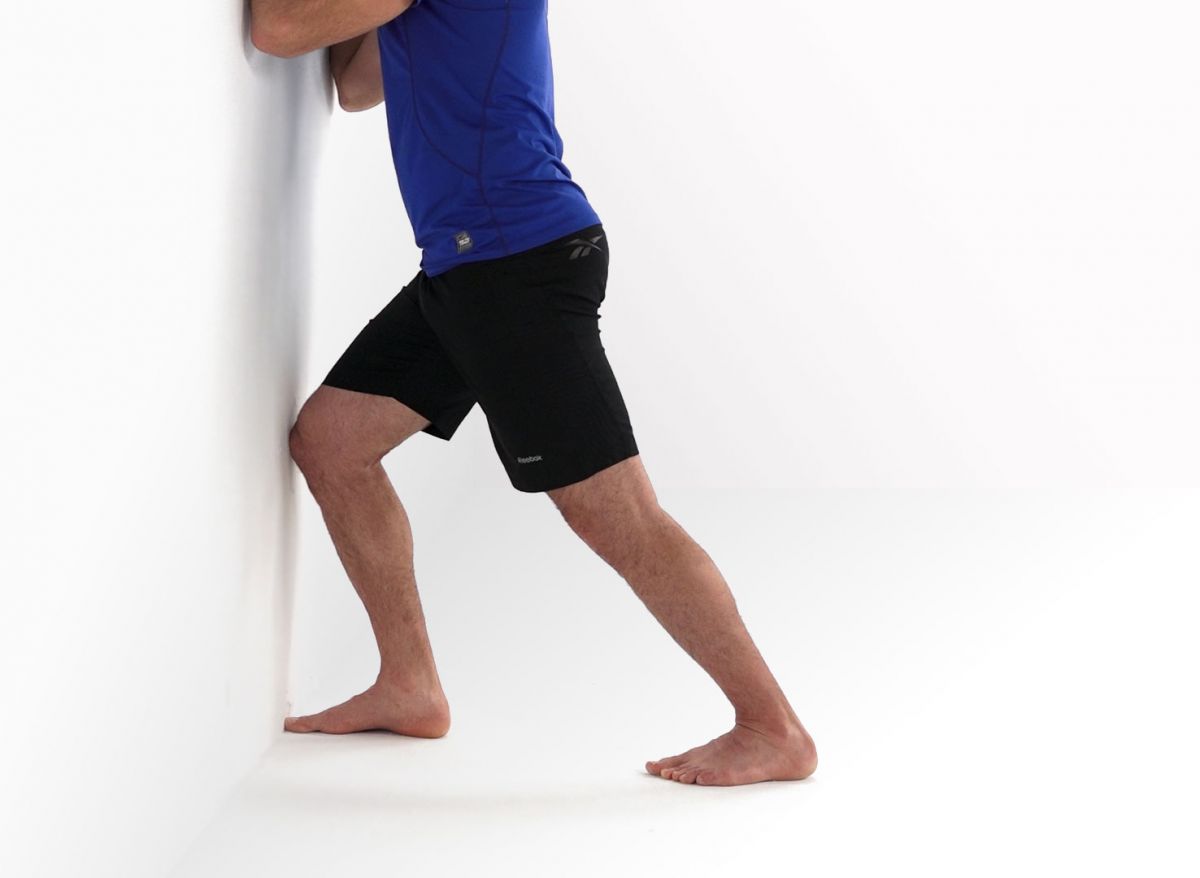
- Calf stretching to improve ankle range of motion
How to perform:
- Stand and place one foot against the wall.
- Place the other leg behind with your heel on the ground, foot parallel to the front one and knee straight.
- Push knee to the wall until end range.
- Repeat for repetitions
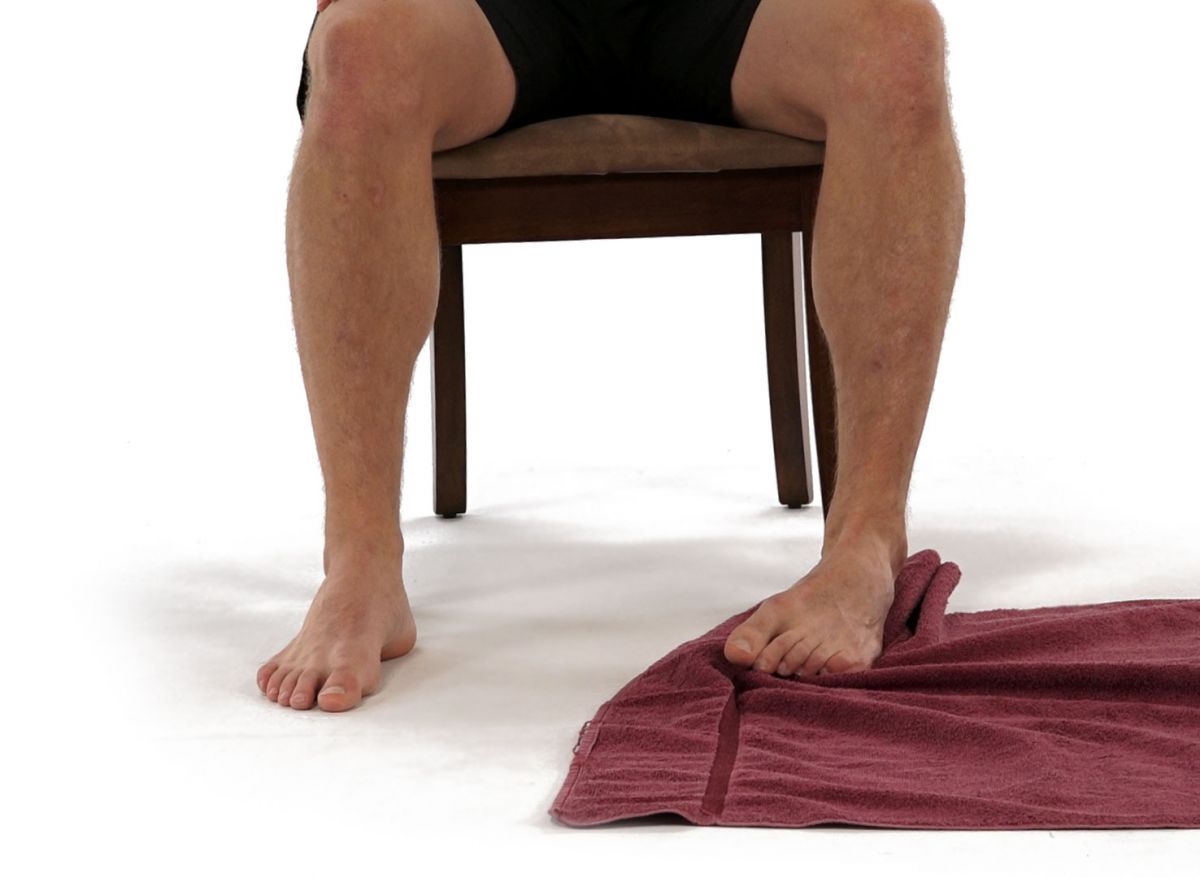
- Ankle inversions with a towel to strengthen the tibialis posterior
How to perform:
- Sit with your foot placed on a towel.
- Keeping your knee still, turn the sole of your foot towards the inside by pulling the towel.
- Lift your foot and return to the starting position and repeat.
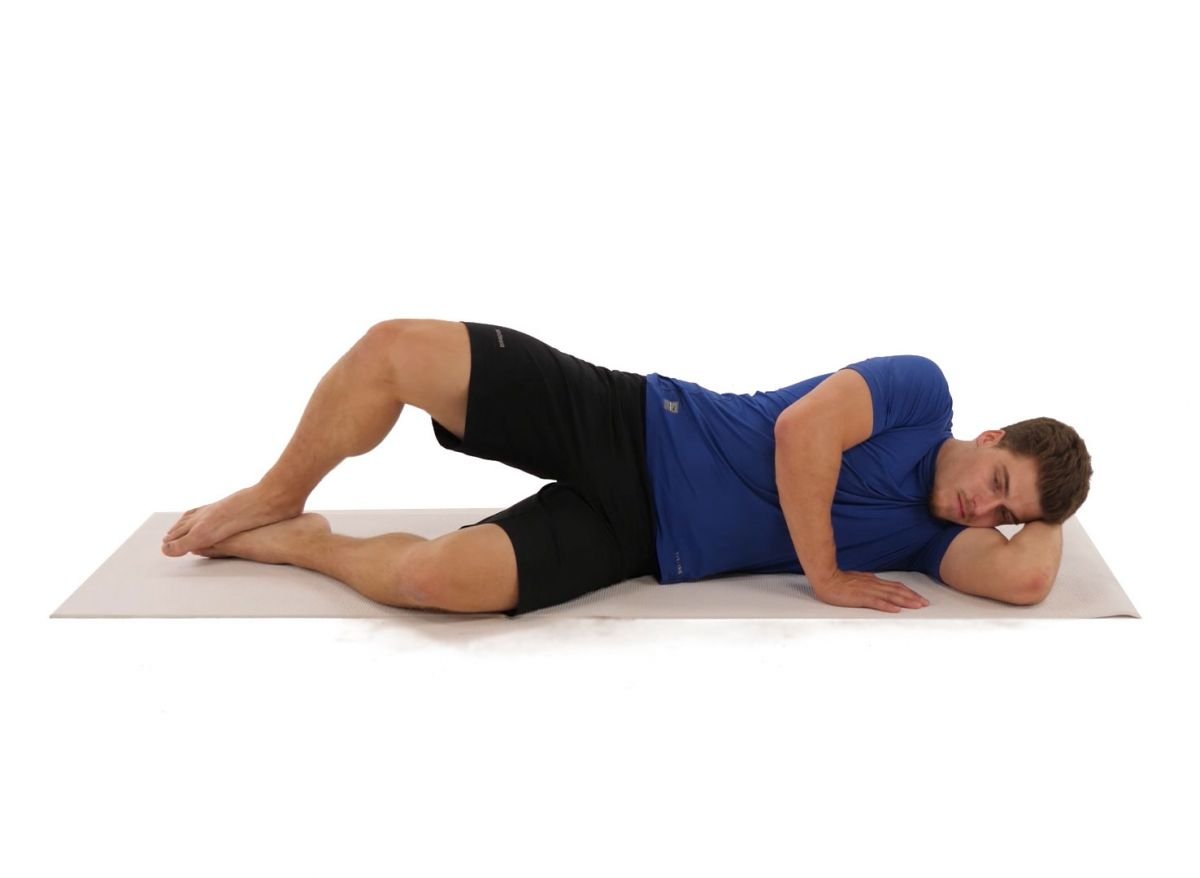
- Clamshells to strengthen the hip girdle and the core muscles
How to perform:
- Lie on your side with both legs slightly bent.
- Lift your top leg keeping your pelvic stable, legs bent, and heels together.
- Rotate him so that foot and knee cap are pointing upward during movement.
- Return to initial position and repeat.
Access additional support
Most cases of shin splints can be treated with rest, ice and other self-care measures, but you can consult a healthcare professional such as a physiotherapist, chiropodist, or pedorthist to evaluate your condition, assess your gait, and develop a personalized treatment plan for further guidance and intervention as needed.
For more support, find a location near your or book an appointment online.