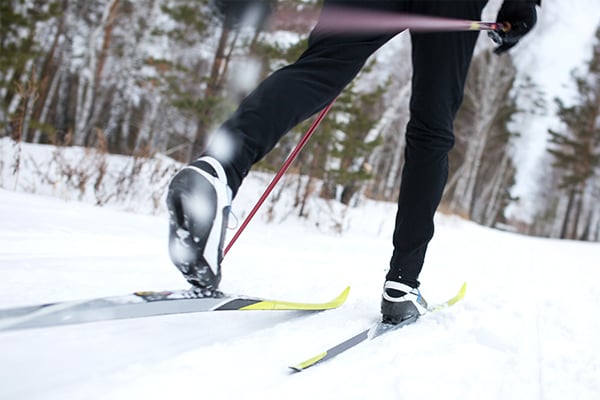
Ready for the slopes? These 5 exercises help prepare your body for ski season
The first real snowfall arrives, sparking that familiar anticipation for ski season. You can almost feel the smooth glide over fresh snow. But you might also recall how quickly leg fatigue can set in, cutting a great day short. Building strength before you hit the snow is about more than just preventing soreness—it’s how you build the endurance and control before hitting the slopes. Whether you love the thrill of downhill skiing and snowboarding, or the peaceful rhythm of cross-country skiing, a prepared body makes every moment more enjoyable.
Note: These exercises support general well-being and ski conditioning. If you’re unsure whether they’re right for you, or if you feel pain, consider checking with a clinician before getting started.
5 conditioning exercises for skiing and snowboarding

1. Deadlift
What you’ll need: Barbell with weights or a set of dumbbells.
How to do it:
1.Stand with your feet shoulder-width apart, with the barbell over your feet.
2.Hinge at your hips and bend your knees to grip the bar with your hands just outside your legs. Keep your back straight and look forward.
3.Keeping the bar close to your body, lift by straightening your legs and hips simultaneously until you are standing tall.
4.Slowly lower the weight back to the ground along the same path.
5.Aim for 3 sets of 8-10 repetitions with a minute of rest between sets.
This movement builds strength in your legs, glutes, and back. This is the foundation you’ll rely on to maintain a strong, athletic stance, absorb the impact of uneven terrain, and power through your turns all the way to the last lift.
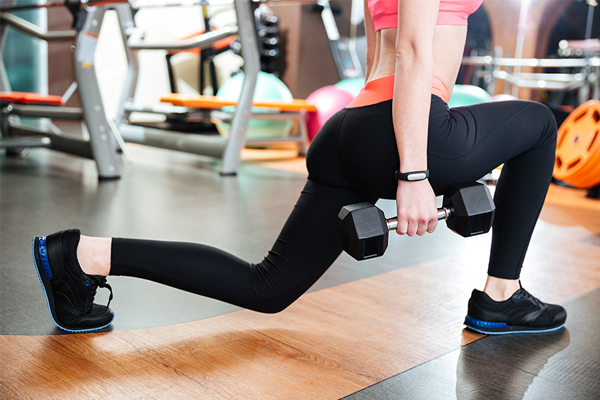
2. Single leg squat
What you’ll need: A chair or bench; dumbbells are optional for an added challenge.
How to do it:
1.Stand a few feet in front of a chair. Reach one leg back and place the top of your foot on the edge of the seat.
2.With your weight on your front leg, lower yourself into a squat. Keep your chest up and ensure your front knee stays behind your toes.
3.Push through your front foot to return to the starting position.
4.Aim for 3 sets of 10-12 repetitions on each leg, with a minute of rest between sets.
Whether you’re on one board or two skis, your weight is constantly shifting from one leg to the other. This exercise builds the single-leg strength and stability needed to initiate turns, adjust to changing snow conditions, and feel more confident and balanced on every run.
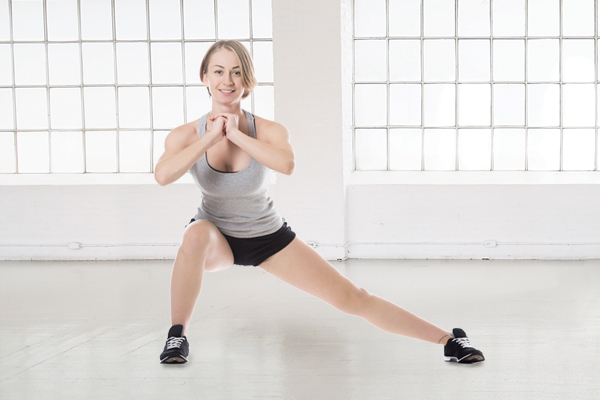
3. Side squat
What you’ll need: A single weight or dumbbells (optional).
How to do it:
1.Stand with your feet together, holding a weight at your chest if you’re using one.
2.Take a wide step directly to one side, sending your hips back and down into a squat over that leg while keeping the other leg straight.
3.Push off powerfully from the squatting leg to return to the starting position.
4.Repeat on the other side.
5.Aim for 3 sets of 10 repetitions (5 on each side), with a minute of rest in between.
Skiing demands strong lateral movements. This exercise helps develop the side-to-side power you need to set an edge, carve turns, or push off in a skate-ski stride, making your movements feel more controlled and dynamic.
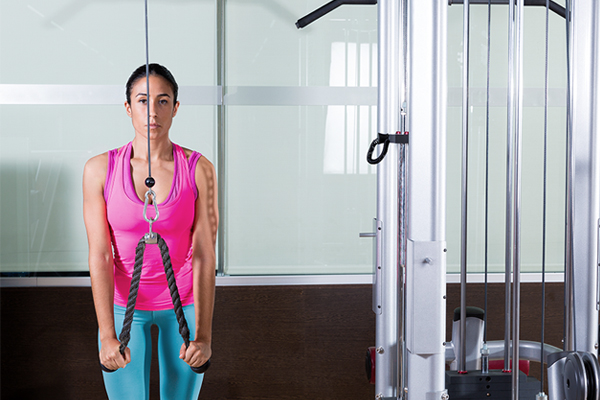
4. Triceps pull-down
What you’ll need: A resistance band anchored securely above you or a cable pulley machine.
How to do it:
1.Stand facing the anchor point, holding the ends of the band or the rope attachment with your hands near your chin and elbows bent.
2.Pull down until your arms are straight by your hips, keeping your elbows tucked close to your sides.
3.Slowly and with control, return to the starting position.
4.Aim for 3 sets of 10-15 repetitions, with a minute of rest between sets.
While skiing is leg-dominant, upper body strength plays a key supporting role. This movement strengthens the muscles you use for poling on flat sections or pushing yourself up from the snow after a fall. For cross-country skiers, this directly builds power for every glide.

5. Plank
What you’ll need: Just some floor space.
How to do it:
1.Position yourself on the floor, resting your body weight on your forearms and toes.
2.Keep your body in a straight line from your head to your heels. Engage your core to prevent your hips from sagging.
3.Hold this position for 30 seconds.
4.Aim to complete 8-10 repetitions with 30 seconds of rest in between.
A strong core is your centre of stability on the snow. It connects your upper and lower body, helping you maintain balance through turns and protect your back from strain, especially after a long day on the trails or slopes.
When to consider speaking with a clinician
It’s common to feel some muscle soreness when starting a new fitness routine. However, if you experience sharp pain, have a pre-existing injury, or feel unsure about your form, it’s a good idea to speak with a healthcare professional. A physiotherapist can help tailor exercises to your specific needs and ensure you’re moving in a way that feels safe and effective for your body.
Key takeaways
- Starting a conditioning routine before the season can help you feel stronger and improve your endurance on the snow.
- Focus on building a base of strength in your legs and core, which are crucial for control and skill.
- Strengthening your upper body helps with poling, pushing on flats, and getting up from the snow.
- Building single-leg stability is key for improving balance and building confidence in your movement.
- Listening to your body is important. If something doesn’t feel right, it’s always best to seek professional guidance.
Frequently asked questions
How far in advance of the ski season should I start these exercises?
Many people find that starting a conditioning program 4-6 weeks before they plan to hit the snow gives their body enough time to adapt and build strength.
Is it normal to feel sore after these workouts?
Yes, experiencing some mild muscle stiffness or soreness 1-2 days after a new workout is normal. Sharp or persistent pain is not typical and should be discussed with a clinician.
What if I don’t have weights or a gym?
You can perform many of these exercises using just your body weight. The focus should be on good form and consistent effort. For the pull-downs, a simple resistance band is a great at-home tool.
Why is balance so important for skiing?
Balance is crucial for everything you do on snow. It allows you to control your skis, make precise turns, absorb impacts, and adjust to different conditions, ultimately making you a more confident and efficient skier.
If you’d like personalized support to prepare for your ski season or to address any discomfort, you can book an appointment with a clinician at a Lifemark clinic near you.