
Pelvic Health resources
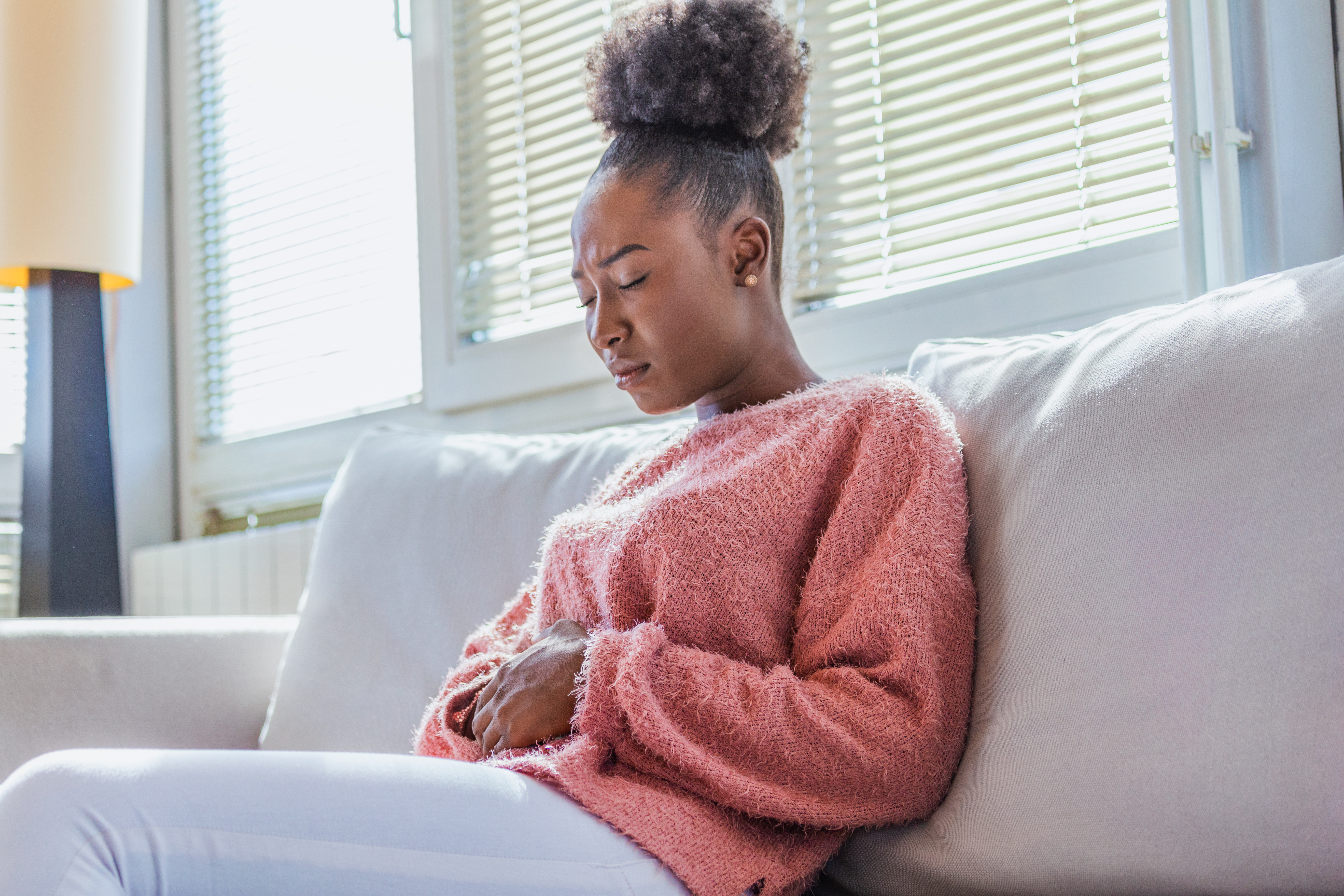
Endometriosis is a disease where endometrial-like tissue (similar to the lining inside the uterus) develops on other pelvic organs like the ovaries, fallopian tubes, pelvic and low back ligaments, bladder, and colon.

More on Pelvic Health

The recovery of pelvic floor muscles following childbirth has become a prominent topic in the last several years, but did you know that it is actually beneficial to see a pelvic floor physiotherapist before you give birth
Read more

Note: You should consult a healthcare professional before starting this or any exercise program to make sure the movements are right for your needs.
Read more
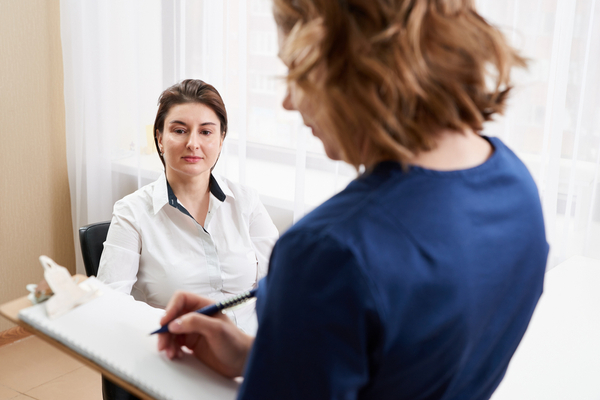
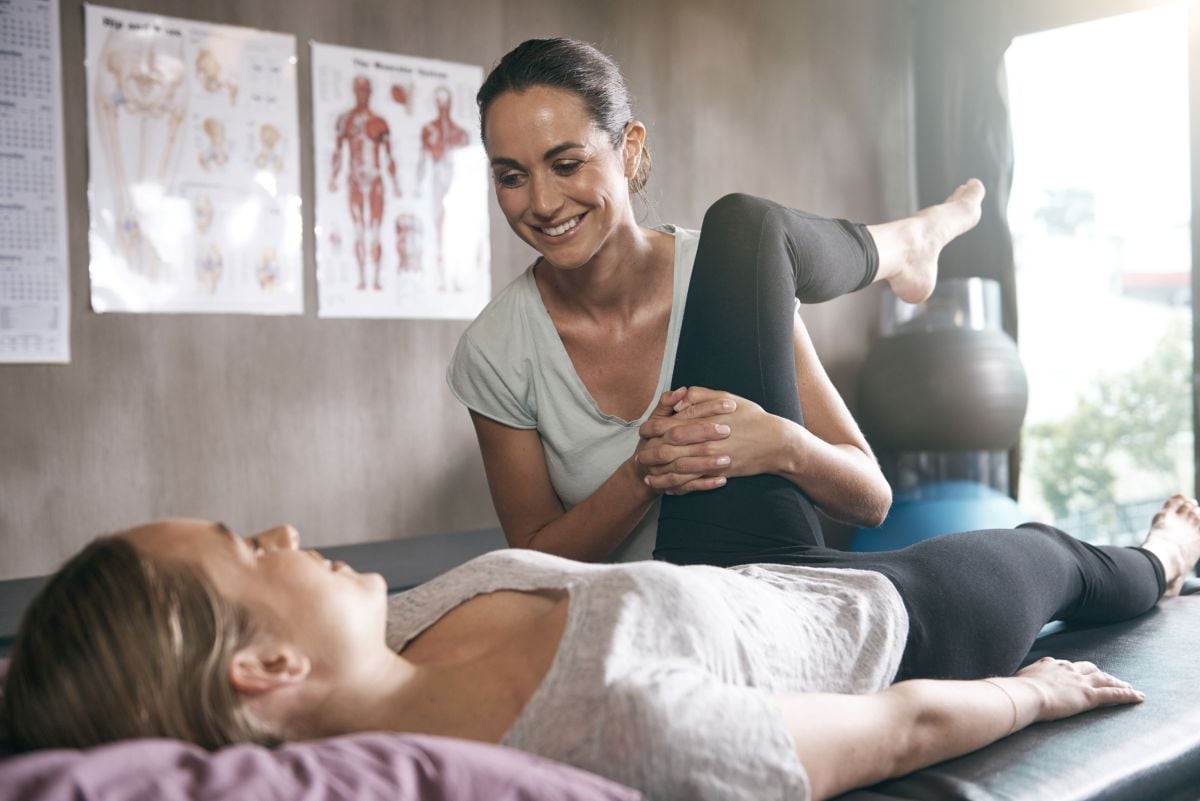
Pelvic floor physiotherapy is a specialized branch of physiotherapy which addresses a range of conditions related to the pelvic floor, such as:

The weather getting better means that running season is upon us! Unfortunately, many people stay off the paths due to fear of urinary leakage or, incontinence.
Read more

Chances are that you or someone you know has persistent pelvic pain. Persistent pelvic pain is long-standing pain that is recognized to be located in the female or male pelvic structures.
Read more

Packing extra clothes for school or play dates, late night bedsheet and pajama changes, the worry about your child’s self-esteem and confidence - these are all stressful considerations many families face when a child is having “bathroom accidents.
Read more

Do you experience painful period cramps? You aren’t alone. Up to 91% of women who are of reproductive age experience period pain.

Yes, it is true, men can suffer from pelvic floor dysfunction too. Many of the symptoms of pelvic floor dysfunction below are common among men: